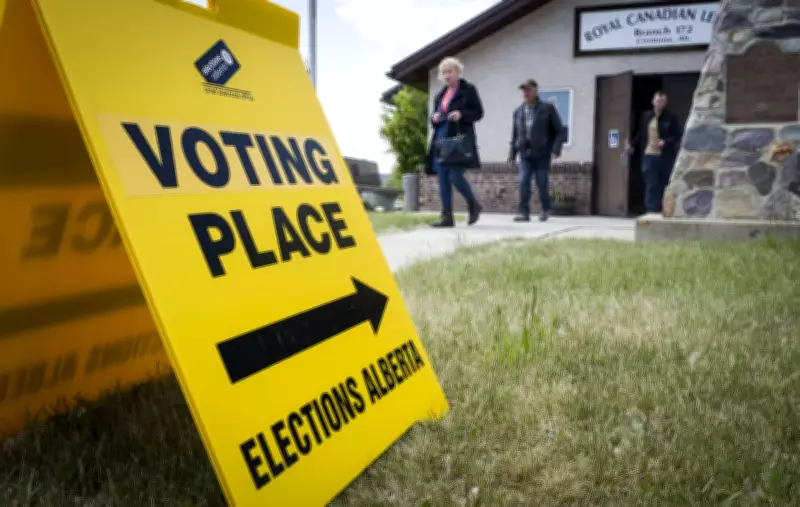
Alberta elections officials have confirmed that more than 550 individuals accessed a renegade voter database, sparking concerns over election security and data privacy. The database, which was not authorized by Elections Alberta, contained personal information of voters across the province.
Details of the Breach
The unauthorized access was discovered during a routine audit of election systems. Officials stated that the database was likely used to influence voter behavior or gather intelligence for political campaigns. The exact nature of the data accessed remains under investigation.
Elections Alberta has launched a full inquiry to determine how the database was created and who was responsible for granting access. Preliminary findings suggest that the breach may have been orchestrated by external actors with political motives.

Impact on Voters
Voters affected by the breach have been notified and offered credit monitoring services. Officials emphasize that the integrity of the voting process itself was not compromised, but the incident highlights vulnerabilities in data management systems.
Premier Danielle Smith has been briefed on the situation and has called for a thorough review of election security protocols. The opposition has demanded a public inquiry to ensure transparency and accountability.
Political Reactions
Reacting to the news, opposition leaders accused the government of failing to protect voter data. NDP critic for democratic reform, Sarah Hoffman, stated, "This breach is a direct threat to our democracy. Albertans deserve to know who accessed their information and why."
In response, Government House Leader Jason Nixon said, "We take this matter very seriously and are working with law enforcement to identify those responsible. We will implement all necessary measures to prevent future incidents."
Next Steps
Elections Alberta is cooperating with the Office of the Information and Privacy Commissioner to investigate the breach. Recommendations for improved data security are expected within the next 90 days.
This incident adds to growing concerns about election cybersecurity across Canada, as provinces grapple with the challenges of protecting voter data in an increasingly digital age.