The political landscape of Canada in 2025 has been defined by one of the most remarkable electoral comebacks in the nation's modern history. The year's clear political winner, despite facing significant challenges in office, is Prime Minister Mark Carney.
An Improbable Path to Power
Carney's victory in the April 2025 federal election stands as an extraordinary political feat. Just one year prior, the political outlook for the Liberal Party was bleak. Polling from Ipsos and the CBC poll tracker showed the Conservative Party, led by Pierre Poilievre, holding a commanding lead of 25 to 30 percentage points. This deficit suggested an inevitable Conservative majority government.
The seismic shifts began in January 2025. The departure of Justin Trudeau, the return of Donald Trump to the U.S. political scene, and the imposition of new tariffs set the stage for a dramatic reversal. Carney, a former Bank of Canada and Bank of England governor with no prior experience in elected politics, entered the fray. He did not follow the traditional path of decades of campaigning, rubber-chicken dinners, and grassroots fundraising that characterized the careers of predecessors like Brian Mulroney, Jean Chrétien, or Stephen Harper.

The Secret of His Success
Carney's political persona, often described as a "bland, boring banker," became his unlikely strength. In a turbulent global climate, his calm, collected, and courteous demeanor resonated with voters. He was perceived as the antithesis of the volatile political style exemplified by figures like Donald Trump, offering a steady, paternal leadership that many Canadians sought.
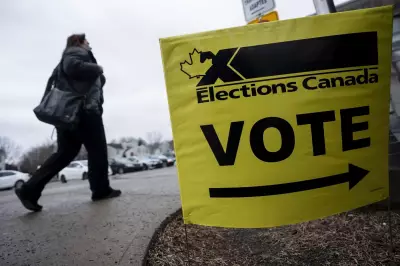
His overwhelming win of the Liberal leadership in March 2025 was followed by an April general election victory that defied recent precedent. Carney's Liberals managed to overcome a near-30-point deficit to secure a near-majority government in a matter of weeks, a turnaround rarely witnessed in Canadian politics.
Governing Realities and Future Prospects
However, the transition from campaign triumph to governing effectiveness has presented hurdles. Eight months into his mandate, Prime Minister Carney has faced criticism for a lack of delivery on key promises. Most notably, he has yet to negotiate a resolution to the trade chaos unleashed by the Trump administration, remaining seemingly frozen out by the White House.
Other areas of concern include the government's handling of a rise in antisemitism, foreign policy missteps, a tendency to over-promise, and a thin record of legislative achievements. Despite these shortcomings, Carney's political position remains strong. He has successfully moved the Liberal Party back to the political centre, where the bulk of Canadian voters reside, and he maintains significant personal popularity.
Furthermore, his government is on the precipice of securing a parliamentary majority in the coming weeks, solidifying his control. The achievements of other 2025 winners, like Ontario Premier Doug Ford securing a third majority with an increased popular vote, and Newfoundland and Labrador's Tony Wakeham ending a decade of Liberal rule, are notable. Yet, the scale of Carney's against-all-odds victory secures his status as the year's most significant political winner, a total novice who rewrote the political playbook.