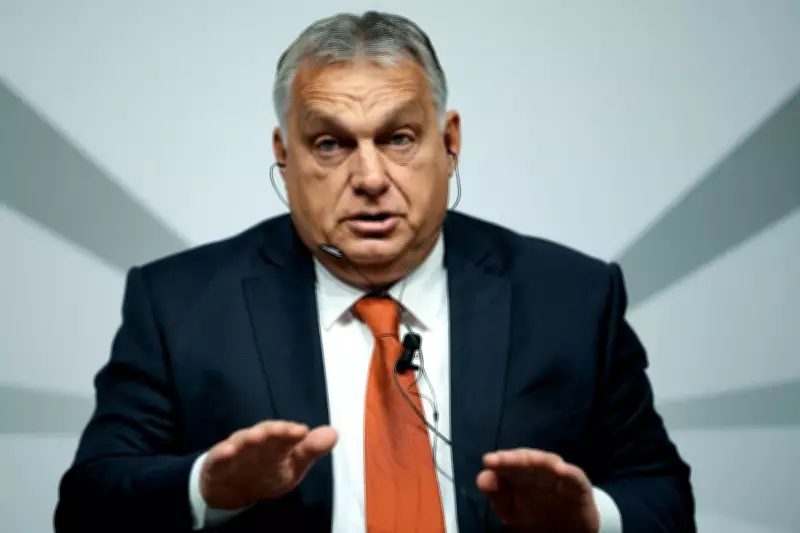
Hungary's Election Could End Orbán's Journey from Liberal Firebrand to Far-Right Leader
Hungary's upcoming election could mark a pivotal moment in the political career of Prime Minister Viktor Orbán, potentially ending his remarkable journey from a liberal firebrand to a far-right leader. This election, scheduled for April 2026, is poised to have profound implications not only for Hungary but for the broader European political landscape.
The Political Transformation of Viktor Orbán
Viktor Orbán's political evolution is one of the most dramatic in modern European history. He first rose to prominence as a young liberal activist during the fall of communism in Hungary, championing democratic reforms and European integration. However, over the past decade, Orbán has shifted sharply to the right, embracing nationalist and populist policies that have drawn criticism from the European Union and human rights organizations.
As Prime Minister, Orbán has consolidated power through constitutional changes, media restrictions, and measures that critics argue undermine democratic institutions. His government has also taken a hardline stance on immigration and LGBTQ+ rights, aligning with far-right movements across Europe. This transformation has made Orbán a polarizing figure, celebrated by supporters as a defender of Hungarian sovereignty and condemned by opponents as an authoritarian leader.

The Stakes of the 2026 Election
The 2026 election represents a critical test for Orbán's Fidesz party, which has dominated Hungarian politics since 2010. Recent polls suggest growing opposition from a united front of liberal and centrist parties, fueled by economic concerns and allegations of corruption. A loss could not only end Orbán's tenure but also signal a shift away from far-right governance in Central Europe.
Key issues in the campaign include Hungary's relationship with the European Union, economic stability, and social policies. Orbán's opponents are focusing on promises to restore democratic norms and improve ties with Brussels, while Fidesz is rallying its base with nationalist rhetoric and warnings about external interference.
Implications for European Politics
The outcome of Hungary's election will resonate across Europe, where far-right movements have gained traction in countries like Italy, France, and Germany. An Orbán defeat could weaken the momentum of these groups, encouraging pro-EU forces and potentially reshaping alliances within the bloc. Conversely, a victory for Fidesz would reinforce the trend toward illiberal democracy and challenge the EU's core values.
International observers are closely monitoring the election for fairness, given past concerns about media bias and electoral manipulation in Hungary. The European Parliament has previously triggered Article 7 proceedings against Hungary over rule-of-law violations, highlighting the high stakes of this vote.
Looking Ahead
As Hungary prepares for the election, the political atmosphere is charged with anticipation. Viktor Orbán's journey from liberal firebrand to far-right leader has defined an era in Hungarian politics, but the 2026 vote could bring that chapter to a close. Whether it marks a return to liberal democracy or a continuation of nationalist policies, the election will undoubtedly shape Hungary's future and its role in Europe for years to come.