Vance and Trump Rally Behind Orbán as Hungarian Election Looms
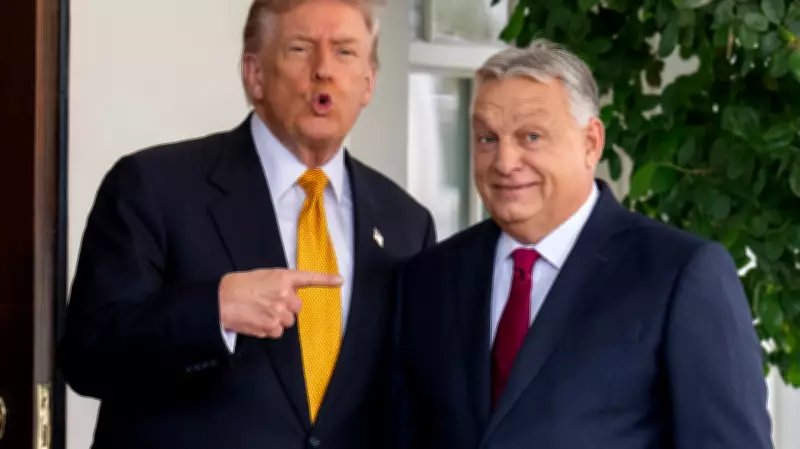
U.S. Vice President JD Vance joined Hungarian Prime Minister Viktor Orbán at a Day of Friendship event in Budapest this week, signaling strong support from the Trump administration as Orbán faces his toughest election challenge in 16 years. With polls indicating Orbán may lose his bid for a fifth consecutive term, the campaign highlights a critical test for his autocratic governance style, which has mirrored efforts by former President Donald Trump in the United States.
Economic Discontent Drives Voter Rebellion
Under Orbán's leadership, Hungary has experienced a decline in living standards, with rising prices and economic stagnation eroding public patience. Analysts note that while voters previously tolerated Orbán's authoritarian measures—such as undermining the judiciary, attacking universities, and muzzling independent media—as long as their quality of life improved, economic hardships are now fueling a potential political shift. "Many people must by now have noticed that corruption and state capture have a real economic cost," said Pawel Zerka, a senior fellow with the European Council on Foreign Relations.
Johan Norberg, a researcher at the Cato Institute, added, "When the economy stalls and the country starts to fall behind its neighbors, patience wears thin." This sentiment echoes voter discontent in the U.S., where affordability issues have influenced political dynamics, including support for Trump's policies.

Trump's Overt Support and Parallels to U.S. Politics
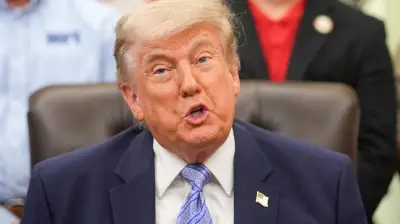
Trump has repeatedly endorsed Orbán, viewing his governance as a model for the United States. During the Budapest rally, Vance called Trump via speakerphone, with Trump declaring, "The United States is with him all the way." Fiona Hill, a former National Security Council member under Trump, explained, "His success is their success. It's the man and the model he sets for governance." In a late social media post, Trump even offered U.S. economic support to Hungary if needed, though the White House did not clarify if this offer stands should Orbán lose the election.
Orbán's Illiberal Democracy and Its Consequences
Orbán has proudly promoted an "illiberal democracy", drawing inspiration from countries like Russia and China. Since returning to power in 2010 with a parliamentary supermajority, he has implemented sweeping changes:
- Rewriting tax policies to favor loyalists while punishing independent businesses.
- Forcing independent media outlets to close, leaving only supportive coverage.
- Remaking the judiciary and placing universities under loyalist control, including relocating Central European University to Vienna.
- Redrawing electoral maps to benefit his Fidesz party.
These actions have led to significant economic fallout. Corruption has deterred investment, with Transparency International ranking Hungary's corruption worse than China's. The European Union has withheld aid due to Orbán's violations of EU laws, contributing to poor economic performance. Hungary's GDP growth was only 0.3% last year, and post-COVID inflation reached 17% in 2023, nearly double the U.S. rate.
U.S. Meddling in European Elections
Trump's administration has abandoned traditional neutrality in allied elections, openly supporting leaders who share his nationalist views. Vance's speech in Budapest continued this trend, as he urged the crowd to "stand against the bureaucrats in Brussels" and support Orbán. However, experts question the effectiveness of such endorsements in Hungary, where only one-fifth of the population speaks English and pro-European sentiments remain strong.
Gregoire Roos, director of Europe and Russian programs at Chatham House, noted, "At this stage, such support of Vance and Trump would honestly equate more to a kiss of death rather than genuine political capital." Jan Techau of the Center for European Policy Analysis added that Vance's anti-EU rhetoric may backfire, as even Orbán avoids such language to align with public opinion.

Election Outcome and Broader Implications
As Hungarians head to the polls, the election serves as a potential preview of the U.S. midterms, highlighting how economic issues can drive opposition to authoritarian leaders. Center-right candidate Peter Magyar, Orbán's main opponent, has focused on affordability, capitalizing on voter frustration. The outcome may signal whether Orbán's illiberal model can withstand public discontent over economic struggles, with implications for similar political movements globally.