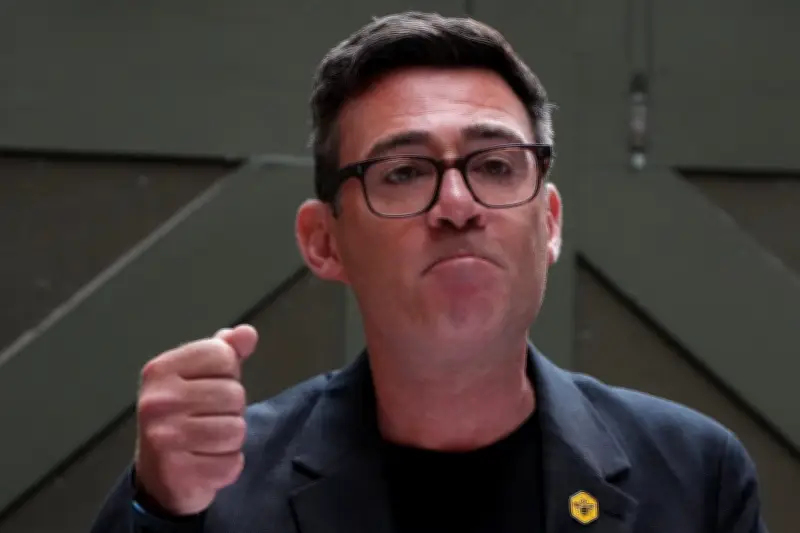
Former Manchester mayor Andy Burnham is on track to become the next UK Prime Minister as Labour Party leadership nominations officially opened on Thursday, following the resignation of Sir Keir Starmer. Political analysts say Burnham, who served as Mayor of Greater Manchester from 2017 to 2024, has emerged as the frontrunner in the race to lead the party and the country.
Starmer's Resignation Triggers Leadership Contest
Sir Keir Starmer stepped down as Labour leader and Prime Minister on Wednesday after a series of political setbacks, including a failed referendum on electoral reform and internal party divisions over Brexit policy. His resignation triggered a leadership contest that must conclude within 60 days under party rules. Burnham, 54, quickly secured endorsements from more than 50 Labour MPs, surpassing the threshold required to enter the race.
According to a YouGov poll released Thursday, Burnham leads among Labour members with 38% support, followed by Shadow Chancellor Rachel Reeves at 22% and Shadow Health Secretary Wes Streeting at 15%. Political analyst Scott Lucas of the University of Birmingham said, 'Burnham's appeal lies in his ability to connect with working-class voters in the North while maintaining credibility with the party's progressive wing.'

Burnham's Political Career and Platform
Burnham served as Mayor of Greater Manchester for seven years, overseeing the region's response to the COVID-19 pandemic and spearheading a devolution deal that gave the city-region greater control over transport, housing, and skills funding. Before that, he was a Labour MP for 16 years and held cabinet roles under Gordon Brown, including Secretary of State for Health and Secretary of State for Culture, Media and Sport.
His leadership platform focuses on 'economic fairness, green jobs, and rebuilding public services.' He has pledged to renationalize rail services, increase funding for the National Health Service, and introduce a 'Green New Deal' to create 1 million jobs in renewable energy and sustainable infrastructure. Burnham has also promised to hold a second referendum on Scottish independence if elected, a position that has drawn criticism from unionist Labour MPs.
Other Candidates and Party Dynamics
Rachel Reeves, the Shadow Chancellor, launched her campaign on Thursday with a promise to 'restore fiscal discipline and grow the economy.' Wes Streeting, the Shadow Health Secretary, positioned himself as the candidate of 'modernization and reform,' calling for closer ties with the private sector to improve public services. Other potential candidates include Shadow Foreign Secretary David Lammy and former Shadow Business Secretary Jonathan Reynolds, though neither has formally declared.
The Labour Party has set a deadline of July 20 for candidate nominations, with voting by party members and affiliated unions to begin on August 1. The winner will be announced on September 10 at the party's annual conference in Liverpool. If Burnham wins, he would become the first prime minister from Greater Manchester since Harold Wilson, who represented Huyton from 1964 to 1970.
Implications for UK Politics
Burnham's potential premiership would mark a shift in UK politics, as he is seen as more left-wing than Starmer. His platform includes nationalizing energy companies, abolishing university tuition fees, and raising the top rate of income tax to 50%. Critics warn that his policies could increase public borrowing and deter investment, but supporters argue they are necessary to address inequality and climate change.
The leadership contest comes at a turbulent time for the UK, which is grappling with high inflation, a cost-of-living crisis, and ongoing strikes by public sector workers. The new Labour leader will face the challenge of uniting the party and winning back voters who defected to the Conservatives or Liberal Democrats in recent elections. According to a Reuters poll, Labour currently leads the Conservatives by 12 points, but analysts caution that the race could tighten as the election approaches.