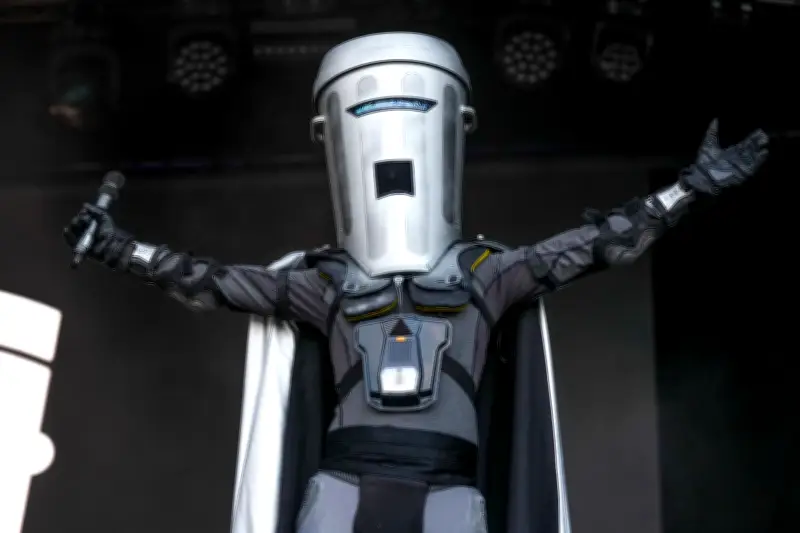
Count Binface, the novelty candidate known for his satirical political campaigns, is challenging hard-right leader Nigel Farage in the upcoming UK general election, according to a report by AFP. The move underscores a rising trend of protest votes against mainstream and populist figures alike.
Who Is Count Binface?
Count Binface, whose real name is Jon Harvey, first gained attention in the 2019 UK general election, where he stood against then-Prime Minister Boris Johnson. His platform includes eccentric policies such as renaming the London Eye to the London Ear and requiring all politicians to wear a clown wig. At the Glastonbury Festival in June 2024, he addressed the audience, drawing crowds with his humorous yet pointed critiques of political elites.
Farage’s Political Gambit
Nigel Farage, a prominent figure in the Brexit movement and leader of the hard-right Reform UK party, is seeking a parliamentary seat in the upcoming election. He has positioned himself as a disruptor, capitalizing on voter dissatisfaction with the Conservative and Labour parties. However, Count Binface’s candidacy threatens to siphon off some of that protest vote, particularly among younger and disaffected voters.

Impact on the Election
Political analysts suggest that while Count Binface is unlikely to win, his presence could dilute Farage’s support in key constituencies. “It’s a classic spoiler effect,” said Dr. Emily Smith, a political scientist at the University of London. “Voters who are angry at the system may see Binface as a more entertaining outlet for their frustration, potentially costing Farage a seat.” The election, scheduled for later this year, is expected to be highly competitive, with both major parties and fringe candidates vying for influence.
Broader Trends
The rise of novelty candidates like Count Binface reflects a deeper disillusionment with traditional politics. In recent years, similar figures have emerged in other countries, such as the “None of the Above” party in India and the “Vegan Party” in Australia. These candidates often attract media attention and can shift the narrative, even if they rarely win office. According to a 2025 poll by YouGov, 34% of UK voters under 30 said they would consider voting for a protest candidate, up from 22% in 2020.