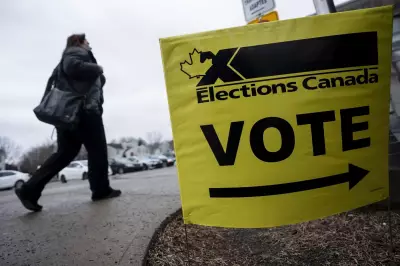
In the aftermath of the 2025 federal election, the obvious face of defeat is Conservative Leader Pierre Poilievre. However, a deeper analysis suggests the true losers extend far beyond the leader himself, encompassing the very heart of the Conservative Party of Canada.
A Foregone Conclusion and a Collective Failure
The electoral outcome for Pierre Poilievre was stark. He squandered a massive lead in the polls, lost an election widely considered winnable, and even failed to retain his own Ottawa-area seat. By any objective measure, this constitutes a significant personal political loss. Yet, the more enduring failure belongs to the party membership that enabled and embraced his approach.
The Conservative defeat at the hands of a political newcomer leading a party previously plagued by scandal was not solely Poilievre's doing. As commentator Warren Kinsella posits, Poilievre is the embodiment of the modern Conservative party: "too angry, a bit paranoid, often Trumpian." The symbiosis between leader and base is complete; they are reflections of one another, sharing both strengths and, critically, fatal weaknesses.

Ignored Warnings and Unheeded Polling
Evidence of looming trouble was visible long before the campaign began. Throughout late 2024, multiple polls revealed a concerning disconnect. While the Conservative Party held substantial leads over the Liberals, Poilievre's personal popularity consistently lagged behind his party's numbers.
Key data points highlighted the problem:
- In December 2024, the Reid Institute found only 37% of respondents viewed Poilievre favourably, compared to 55% who held an unfavourable opinion.
- Leger polling showed just 22% of Quebecers believed Poilievre would make the best Prime Minister.
- Similarly, support among women and urban voters was alarmingly low, at 24% and 27% respectively.
These demographics represent a vast swath of the Canadian electorate. The party's response to these clear warning signs was, effectively, to change nothing. The attributes that energized the core base—Poilievre's perceived petulance, arrogance, and grievance-focused, bumper-sticker politics—were the same traits that alienated the broader voting public.
The Base's Fatal Embrace and the Path Forward
When critics, including media voices, pointed out that Poilievre's style was a liability with most Canadians, the reaction from the party's grassroots was often defensive and dismissive, resorting to name-calling rather than introspection. This refusal to adapt or demand change from the top proved electorally disastrous.
Kinsella argues that after a certain age, a politician's persona is fixed. At 46, Poilievre was unlikely to fundamentally reinvent himself. The responsibility, therefore, fell to the party membership to push for a strategy that could expand its appeal. Instead, they doubled down on their greatest weakness, cheering the very approach that ensured defeat.
Even in the wake of the loss and with reports of a fracturing parliamentary caucus, the party base appears poised to reaffirm its support for Poilievre at the upcoming leadership review in Calgary. This, Kinsella concludes, is why the Conservative base are the ultimate losers of 2025. They have, in effect, chosen principle over power, risking a permanent transformation into "the NDP of the Right"—a party content with losing elections, a trait their Liberal rivals have never embraced.