Alberta's Electoral Boundary Override Sparks Democracy Concerns
It is deeply troubling to witness Alberta moving toward altering electoral boundaries while disregarding the recommendations of its own independent commission. These commissions exist specifically to ensure districts are drawn fairly, transparently, and without political interference. When a government overrides this established process simply because it dislikes the outcome, it fundamentally undermines public trust and raises serious concerns about the integrity of our democratic system.
Undermining Independent Processes
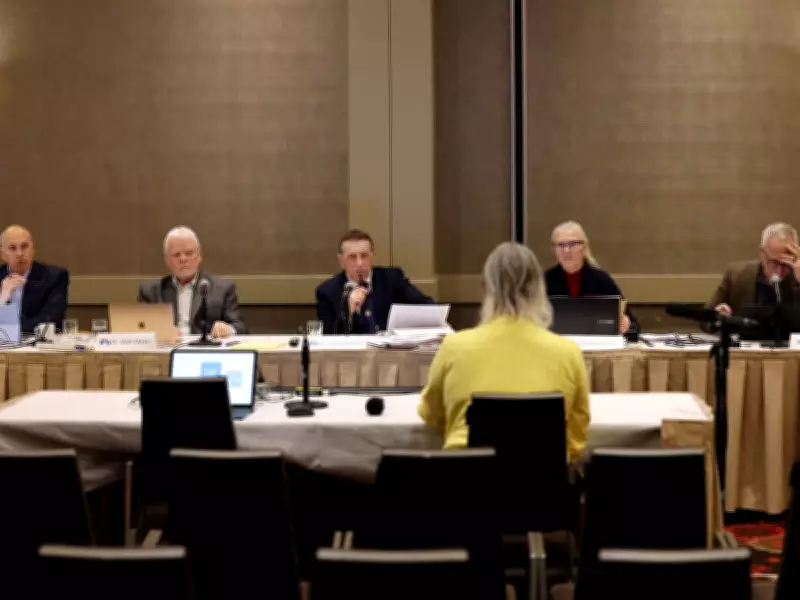
The Electoral Boundary Commission spent months holding sessions across Alberta, issued a unanimous interim report, and gathered additional public input before releasing their final recommendations. The United Conservative Party's decision to reject these well-developed commission recommendations demonstrates a troubling pattern of disregarding established democratic safeguards. Instead of following the independent process, the government plans to have a group of mainly UCP politicians set new electoral boundaries without meaningful public input.
Gerrymandering has no place in a system that claims to value fair representation. Albertans deserve electoral boundaries determined impartially—not strategically for political advantage. Ignoring an independent process in favor of political control is not just disappointing; it represents an anti-democratic approach to governance that erodes confidence in our electoral system.

Broader Implications for Democracy
This situation extends far beyond simply redrawing lines on a map. It represents a fundamental challenge to protecting the fairness of our elections and maintaining public confidence in the democratic process. The commission members—including Greg Clark, Dr. Julian Martin, Justice Dallas Miller, Susan Samson, and John Evans—listened to citizen input during public meetings across the province, demonstrating the thoroughness of their approach.
When governments override independent recommendations they previously established, they create a dangerous precedent that could normalize political interference in electoral processes. This is particularly concerning given that electoral boundary commissions are designed specifically to prevent gerrymandering and ensure all citizens receive equal representation regardless of political affiliation.
Public Response and Criticism
Edmonton resident Greg Wandzilak expressed the sentiment shared by many Albertans: "This is not simply about redrawing lines—it is about protecting the fairness of our elections and maintaining confidence in the system. We should expect better." Another Edmonton resident, Mark Perry, noted that "the UCP does not care about what is right or what is appropriate for Alberta; they only care about themselves."
The decision to override the commission's work suggests that political advantage has taken priority over democratic principles. This approach risks creating electoral districts that favor certain political parties rather than ensuring fair representation for all Albertans. The erosion of independent processes designed to protect democratic integrity represents a significant threat to the health of Alberta's political system.
Looking Forward
As Alberta moves forward with boundary changes, the manner in which these decisions are made will have lasting implications for democratic governance in the province. Maintaining public trust requires transparent processes that prioritize fairness over political expediency. The current approach of overriding independent recommendations threatens to damage that trust and weaken the foundations of democratic representation that Albertans have come to expect from their government.