Alberta's Electoral Boundaries Commission Faces Unprecedented Minority Report Challenge
Justice Minister Mickey Amery has expressed uncertainty regarding the full adoption of Alberta's independent Electoral Boundaries Commission final report, stating the government is "looking at all options" in response to a competing minority report. This development follows months of public hearings and submissions from Albertans across the province.
Commission Members and Public Consultation Process
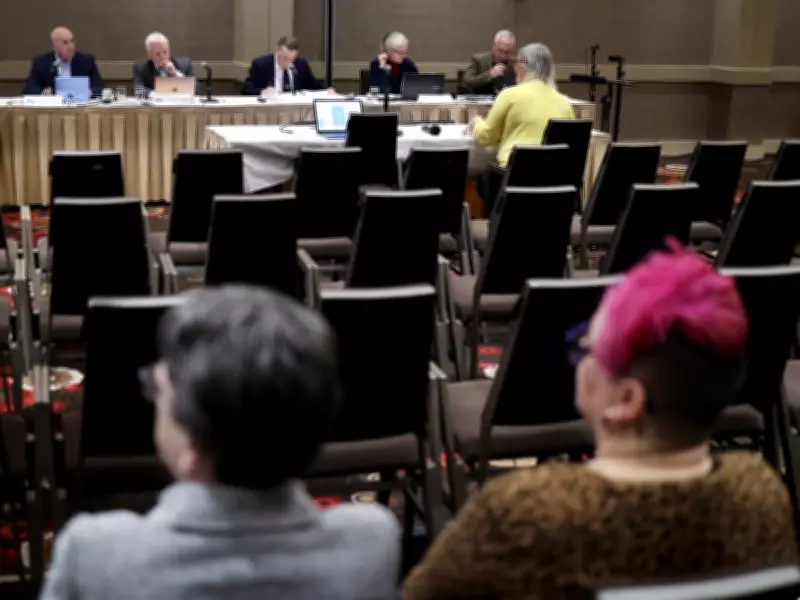
The Electoral Boundaries Commission, consisting of members including Greg Clark, Dr. Julian Martin, Justice Dallas Miller, and Susan Samson, conducted extensive public consultations throughout Alberta. These sessions gathered citizen input on proposed electoral boundary changes to reflect population growth and ensure fair representation.
The minority report, authored by two UCP-appointed commissioners, represents a significant departure from both the interim report and the public consultation process. This competing document proposes new electoral maps that were never presented to or discussed with the public during the commission's extensive consultation period.

Constitutional and Procedural Concerns Raised
The commission's majority has issued strong warnings about the minority report's proposals, suggesting they may be procedurally unfair, unreasonable, and potentially unconstitutional. These concerns stem from the fact that the minority report's recommendations bypassed the established public consultation framework that guided the commission's work for months.
One Edmonton resident who participated in the consultation process emphasized that "Alberta's electoral map should reflect population growth, maintain a fair balance between urban and rural representation, and protect every Albertan's right to a meaningful vote." This sentiment reflects the broader public expectation that the final report, developed through transparent consultation, should be adopted in full to maintain confidence in the electoral system.
Broader Democratic Implications
The minority report controversy occurs alongside other democratic concerns being voiced by Albertans. Recent political developments, including floor-crossing by elected officials, have prompted discussions about democratic representation and accountability. Some citizens argue that such actions disregard the democratic desires of constituents and undermine the fundamental principles of representative democracy.
These concerns extend beyond provincial boundaries, with some Albertans expressing frustration with federal representation and taxation policies. The combination of these issues has created a complex political landscape where electoral boundary decisions carry significant weight for democratic legitimacy and public trust.
Looking Forward
As the government considers its options regarding the Electoral Boundaries Commission reports, the decision will have lasting implications for Alberta's democratic processes. The tension between the comprehensive public consultation that informed the final report and the minority report's alternative proposals creates a challenging situation for policymakers.
The outcome will determine not only electoral boundaries for upcoming elections but also set precedents for how future boundary commissions operate and how much weight public consultation carries in democratic decision-making processes. With constitutional concerns raised by the commission majority, the government's response will be closely watched by legal experts, political observers, and citizens invested in Alberta's democratic integrity.