

If any year demonstrated that the world of politics remains utterly unpredictable, it was 2025. From a shocking spring federal election to dramatic floor-crossings and renewed separatist chatter, the Canadian political scene was a rollercoaster from start to finish.
A Stunning Election Reversal and a New Prime Minister
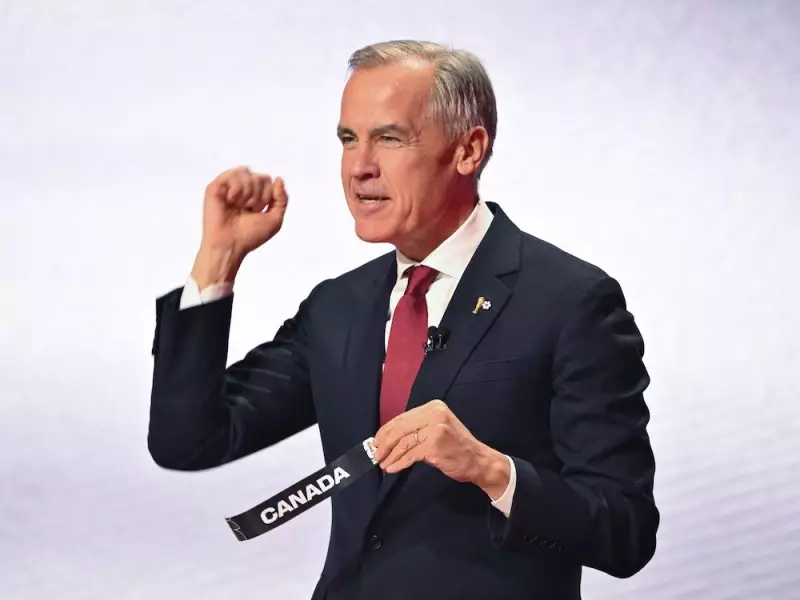
The year began with what many anticipated would be a Conservative victory led by Pierre Poilievre. However, the political landscape shifted dramatically. The fortunes of the Liberal Party revived, fueled in part by external events and internal change. Justin Trudeau's exit from leadership paved the way for Mark Carney to take the helm. Under Carney, the Liberals engineered a remarkable comeback, securing a minority government in the April federal election.
Since taking office, Prime Minister Carney has faced significant challenges. He has, so far, failed to secure a new trade deal with the United States under President Donald Trump. To stimulate the economy, his government has greenlit a series of major national projects. The strategy appears to be paying some dividends, as year-end polls show the Liberals in a statistical tie with the Conservatives, with Carney himself remaining the most popular choice for Prime Minister.

Opposition Parties Grapple with New Realities
For the Conservatives, 2025 was a story of a missed opportunity. Pierre Poilievre, widely expected to become Prime Minister, now leads the Official Opposition. The party achieved a historic popular vote share of 41%, but it wasn't enough to win government. A generational split emerged, with older voters concerned about economic stability leaning Liberal, while younger voters grappling with affordability issues backed the Conservatives.
Poilievre now faces the challenge of maintaining party unity, especially with the threat of more MPs crossing the floor to join the Liberal benches. His leadership style has caused friction within the caucus. His primary task for 2026 will be to rally his team and prevent further defections as he looks toward a potential future election.
The story for the New Democratic Party (NDP) was the saddest of the year. After years of supporting Liberal minorities, the party collapsed at the polls, squeezed from both sides. Its traditional working-class base shifted to the Conservatives, while progressive voters consolidated behind the resurgent Liberals. The NDP now enters 2026 in a state of rebuilding, facing an imminent leadership race and an existential crisis about its core identity and purpose.
Regional Dynamics and the Road Ahead
The Bloc Québécois, under Yves-François Blanchet, held its ground in the election. It scored a late-year policy win by pushing the government to remove religious exemptions from proposed hate speech legislation. However, its influence is contingent on the Liberal minority remaining in power. The party also faces competition for the attention of Quebec nationalists, as the provincial Parti Québécois gears up for a fall election, promising a referendum on separation if victorious.
In a year of wild headlines—from a U.S. President's comments about Canada to celebrity dating gossip—the Green Party remained on the sidelines with a single seat. Leader Elizabeth May's fluctuating position on the federal budget further marginalized the party's influence, a situation that will only worsen if the Liberals gain a majority.
As 2026 begins, the political goals are clear. For Mark Carney and the Liberals, the mission is to secure a parliamentary majority, possibly through further floor-crossings, and to finally nail down a favourable trade agreement with the United States. For everyone else, it's a year of regrouping, strategizing, and preparing for the next unexpected twist in Canada's ever-surprising political narrative.






