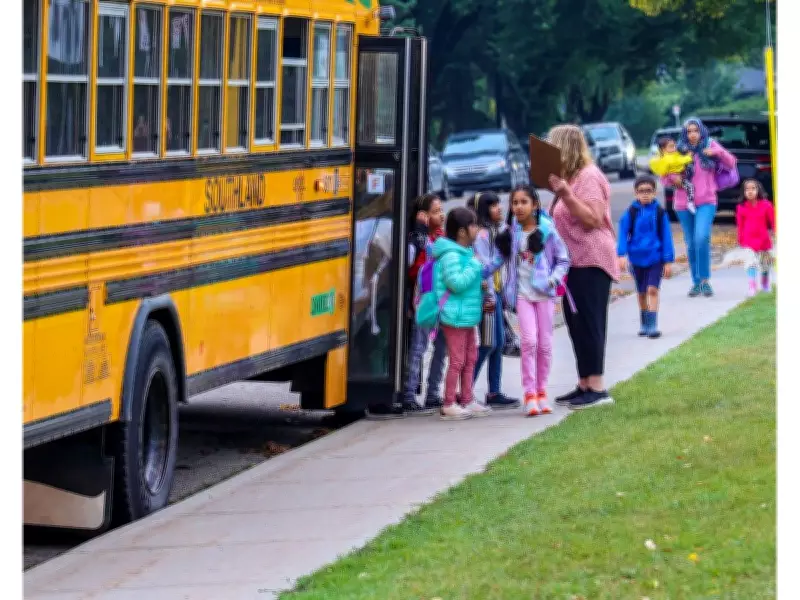
The Calgary Board of Education (CBE) has approved a significant increase in bus fees for the upcoming 2026-2027 school year, raising costs for families by $140 per student rider. The board described the hike as "significant" in a statement released Thursday.
Fee details
Starting next school year, families with students in Grades 1 through 9 will pay $500 per bus rider, up from $360 in the current year. The increase was approved as part of the board's budget for the 2026-2027 academic year. No changes were proposed for specialized transportation services, according to a CBE spokesperson.
Reasons for the increase
The board stated that it is nearing the depletion of a transportation reserve fund that had been used in recent years to supplement fees. Additionally, rising costs for providing transportation services have contributed to the need for higher fees. "We recognize this is a significant increase," the board's email noted.

The announcement comes one month after the provincial government unveiled a $458 million investment in student transportation for the 2026-2027 fiscal year. The province also pledged $8.6 billion over five years to build 90 new schools and update or replace 24 existing ones.
The CBE indicated that 22 new school projects are currently in various stages of development. "We expect as these schools open more students will be able to attend school closer to home. This will reduce the need for transportation out of their community," the board said.
Calgary Catholic School Board holds steady
In contrast, the Calgary Catholic School District (CCSD) confirmed Thursday that it will not increase transportation fees for the upcoming school year. However, the CCSD acknowledged facing similar "inflationary pressures" and described the province's transportation funding as insufficient. "While CCSD appreciates the province's increased transportation funding, transportation costs continue to rise, and funding has not kept pace with the realities faced by growing school districts," a CCSD statement read. The district warned that relying on operational savings to address transportation shortfalls is unsustainable and that those resources are better directed toward classrooms and student learning.