

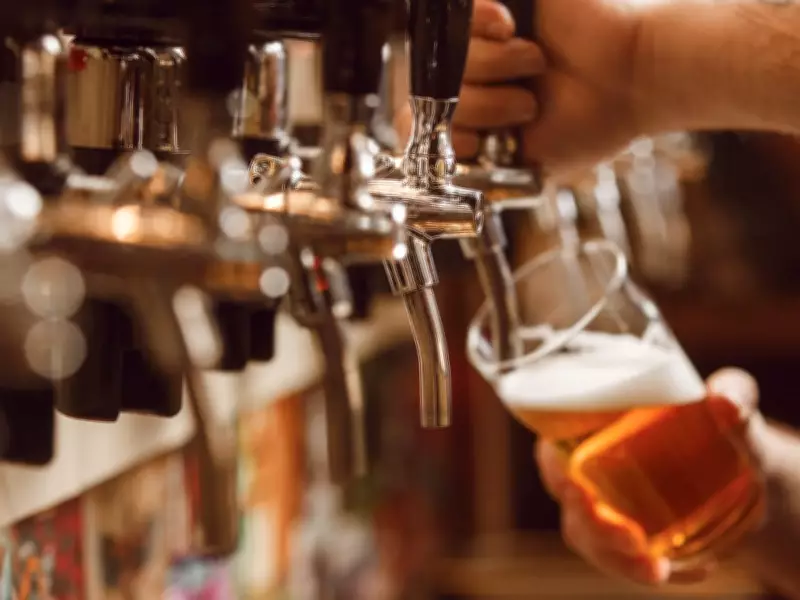
Ottawa is poised to escalate living costs for Canadians with another scheduled tax increase on alcoholic beverages, sparking sharp criticism from advocacy groups over its undemocratic implementation.
Automatic Tax Escalator Under Fire
Prime Minister Mark Carney is set to raise taxes on beer, wine, and spirits by 2% on April 1, 2026, under an automatic escalator policy established in 2017. This mechanism allows annual tax hikes without requiring a parliamentary vote, debate, or direct accountability, a practice denounced by the Canadian Taxpayers Federation as fundamentally undemocratic.
The upcoming increase is projected to extract an additional $41 million from taxpayers this year alone. Since its inception, the escalator tax has cumulatively cost Canadians approximately $1.6 billion, according to industry analysts, compounding annually and embedding higher costs into the economy.

Heavy Tax Burden on Alcohol
Alcohol in Canada already faces substantial taxation, with combined federal, provincial, and sales taxes accounting for roughly half the retail price. For instance, in a $10 beer purchase at a pub, $5 typically goes to various government entities, leaving only $5 to cover production, distribution, and business operations.
This tax rate starkly contrasts with international norms. In the United States, taxes constitute about 17% of alcohol prices, contributing to a $20 average premium for a 24-pack in Canada compared to the U.S. Moreover, Canada imposes the highest beer taxes among G7 nations, significantly exceeding rates in most other countries, as reported by Beer Canada.
Economic and Social Impacts
The tax hikes are not merely a financial strain on consumers but also threaten Canadian industries and employment. Unionized brewery workers have expressed concerns that continued automatic increases, layered with tariffs and rising costs, could force breweries to reduce production and cut jobs, undermining a key manufacturing sector.
Rural communities are particularly vulnerable, as the brewing industry supports local economies by purchasing 350,000 tonnes of malting barley and other grains annually from Canadian farms. Restaurants, bars, and pubs, which rely on beer sales for profitability due to higher margins, also face heightened operational challenges.
Calls for Democratic Reform
The Canadian Taxpayers Federation, represented by Carson Binda and Franco Terrazzano, argues that if politicians intend to raise taxes, they should have the courage to vote on such measures in Parliament. They urge Carney to scrap the automatic escalator tax immediately or, at minimum, subject any increases to parliamentary debate and a formal vote to ensure accountability to the public.
This ongoing issue highlights broader concerns about affordability and governance, as automatic tax policies circumvent democratic processes and impose additional burdens on already struggling Canadians.






