

Vaughn Palmer: Eby's Fiscal Approach Creates Deep Deficit That Will Take Years to Overcome
British Columbia faces a challenging fiscal future as Premier David Eby's spending policies have created a deficit so substantial that recovery will require multiple years, according to analysis of the province's budgetary trajectory. This situation represents a significant departure from the fiscal moderation practiced under former premier John Horgan.
The Turning Point: Eby's Removal from Treasury Board
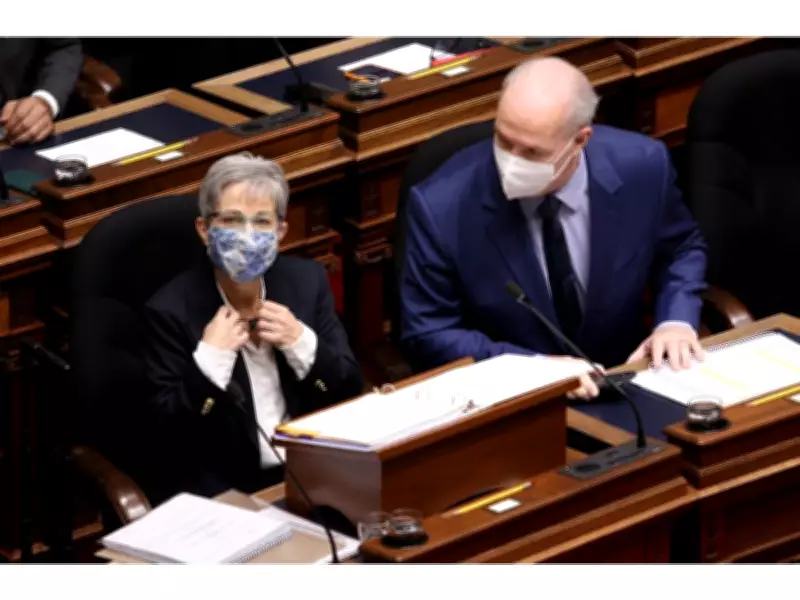
A cabinet order signed on February 25, 2022, marked the definitive separation between the Horgan and Eby approaches to managing British Columbia's finances. Premier Horgan removed Eby from Treasury Board, the crucial budget-making committee of cabinet. While publicly framed as a measure to reduce workload for Eby, who then served as attorney general and housing minister, the decision stemmed from regular conflicts between Eby and Finance Minister Selina Robinson during board meetings.
As Horgan reportedly stated at the time, one of them had to go, and he was unwilling to dismiss his finance minister. This decision reflected Horgan's preference for fiscal prudence, a philosophy he shared with Robinson and had developed through hard-won experience serving in the NDP government of the 1990s alongside Carole James.

Contrasting Fiscal Philosophies
The fundamental difference between the two approaches becomes clear when examining their respective philosophies. Horgan and Robinson operated with what observers describe as a predilection for fiscal prudence and discipline, carefully managing provincial resources. By contrast, Eby demonstrated what some characterize as an activist, spending-oriented approach to governance.
Some within NDP circles believed Eby considered himself the superior choice for finance minister. However, after fourteen months on Treasury Board, Horgan determined that even this level of involvement represented a mistake, leading to Eby's removal from the influential committee.
The Transition of Power and Fiscal Consequences
With Eby sidelined from Treasury Board, Robinson delivered what would become her final budget as finance minister. Her tenure was already limited, as Horgan soon announced his retirement for health reasons. The subsequent NDP leadership race saw Eby emerge as the clear front-runner, despite efforts by some close to Horgan to encourage cabinet minister Ravi Kahlon to seek the leadership.
Kahlon ultimately declined, citing family considerations, and endorsed Eby. Robinson briefly considered running but remained neutral while continuing as finance minister. Eby eventually became the sole candidate after his campaign team helped compile evidence leading to the disqualification of remaining challenger Anjali Appadurai.
The Spending Shift and Its Aftermath
The fiscal consequences of this leadership transition became apparent quickly. Just days after Eby took office as premier in November 2022, Robinson presented a budget update forecasting a substantial $5.7 billion surplus for the financial year ending March 31, 2023. This positive fiscal position represented the culmination of Horgan-era restraint.
Robinson's reward for this achievement came two weeks later when Eby, described by observers as no fan of balanced budgets, reassigned her from finance to post-secondary education. The new finance minister, Katrine Conroy, assumed the title, but as one insider noted recently, all significant decisions were made within the premier's office.
This shift in fiscal management has resulted in what analysts describe as a deep deficit that will require years for British Columbia to overcome. The contrast between Horgan's restrained approach and Eby's spending priorities has created significant budgetary challenges that will shape provincial finances for the foreseeable future.






