U.S. Military Sinks Iranian Warship Amid Escalating Middle East Tensions
In a significant escalation of hostilities, the United States military has sunk an Iranian warship, as Iran issues stark warnings of widespread destruction across the Middle East. The incident, reported on March 4, 2026, marks a dangerous new phase in the ongoing conflict between the two nations, now entering its fifth day.
Iran's Dire Warnings and Regional Implications
Iranian officials have responded to the attack with threats of extensive regional devastation, heightening fears of a broader war. This development has sparked urgent discussions within NATO, with retired Major-General Fraser noting that the U.S.-Iran conflict is likely to trigger "a real political discussion inside NATO" regarding alliance involvement and strategy.
The sinking of the warship underscores the volatile nature of the confrontation, which has already seen NATO forces intercept an Iranian missile aimed at Turkiye, as reported by CTV News in Istanbul. Military analyst Hegseth described the ongoing U.S. operations as "death and destruction from the sky all day long," referring to the intense aerial campaign dubbed 'Operation Epic Fury.'

Global Economic and Security Fallout
The conflict is reverberating beyond the battlefield, causing significant market volatility as investors react to the prolonged warfare. Energy prices are surging, with analysts warning that higher costs could inadvertently bolster Russia's financial capacity for its own military engagements in Ukraine.
In response to the escalating threat, U.S. banks have been placed on high alert for potential cyberattacks from Iran, highlighting the multifaceted nature of modern warfare. The S&P/TSX composite index and U.S. stock markets have shown fluctuations, reflecting the economic uncertainty fueled by the crisis.
Canada's Diplomatic and Security Challenges
As a key NATO ally, Canada faces pressing questions about its role in the conflict. The government has secured limited seats on commercial flights from Lebanon to evacuate citizens as the war expands, but broader involvement remains a topic of intense debate.
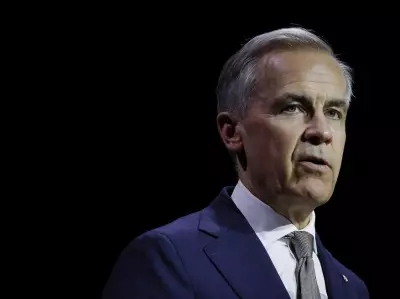
Prime Minister Carney, during a visit to Sydney, emphasized the need for diplomatic engagement, even using strong language to underscore the gravity of the situation. He reiterated Canada's position as a "middle power" capable of influencing global agendas, while intelligence agencies advise the nation to prepare for possible cyberattacks linked to the conflict.
Broader Regional and International Concerns
The U.S.-Israel partnership is also under scrutiny, with commentator Allen suggesting that the alliance "will hold as long as they're winning," pointing to the strategic calculations at play. Meanwhile, the war has impacted international sports, with Iranian athlete Sara Didar visibly emotional when addressing war-related questions at the Women's Asian Cup.
This military engagement not only threatens regional stability but also poses risks to global security and economic systems, as nations worldwide monitor the situation closely.