U.S. Submarine Torpedoes Iranian Frigate in International Waters Near Sri Lanka
In a dramatic escalation of the ongoing Middle East conflict, a United States submarine sank an Iranian warship in international waters off the southern coast of Sri Lanka on Wednesday, resulting in at least 87 confirmed fatalities among Iranian sailors with dozens more reported missing. The incident marks the first time since World War II that the U.S. military has destroyed an enemy vessel using a torpedo, according to official statements from Washington.
Defense Secretary Confirms Historic Torpedo Attack
U.S. Defense Secretary Pete Hegseth addressed reporters in Washington, confirming the military action. "An American submarine sunk an Iranian warship that thought it was safe in international waters. Instead, it was sunk by a torpedo," Hegseth stated, describing the attack as "quiet death" and drawing parallels to World War II-era naval warfare. He emphasized the U.S. commitment to prevailing in the conflict, declaring, "Like in that war, we are fighting to win."
Rescue and Recovery Efforts Underway
The Sri Lankan navy responded to a distress call from the Iranian frigate IRIS Dena at dawn, but by the time rescue vessels reached the location approximately one hour later, the warship had completely submerged, leaving only an oil slick on the ocean surface. Sri Lankan forces managed to rescue 32 sailors from the stricken vessel, many of whom sustained injuries and are currently receiving medical treatment at a hospital in Galle.

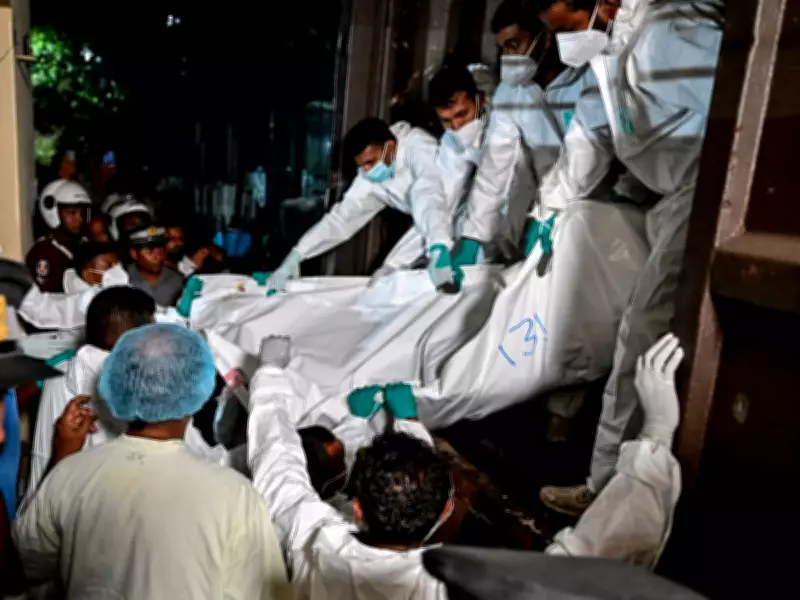
Recovery operations have been extensive, with the Sri Lankan navy retrieving 87 bodies from the waters near Galle. However, 61 sailors remain unaccounted for, and search efforts continue. "A search is still on for the others," a navy official told AFP on condition of anonymity. Police have heightened security around the Galle hospital where the wounded Iranians are being treated.
Geopolitical Context and Regional Implications
The sinking occurred as the war triggered by a joint U.S.-Israel attack on Iran continues to expand across the Middle East. The Iranian warship was reportedly returning from a military exercise in India's eastern port of Visakhapatnam when it was attacked just 40 kilometers south of Galle. Iran has not yet issued an official comment on the incident, and Tehran's ambassador in Colombo, Alireza Delkhosh, was unavailable for immediate response.
Sri Lanka, which has maintained neutrality in the conflict, acted in accordance with its maritime obligations. "This is within our search and rescue area in the Indian Ocean," stated Sri Lankan navy spokesman Buddhika Sampath. The country has repeatedly advocated for diplomatic dialogue to resolve Middle East tensions, partly due to the over one million Sri Lankans employed in the region whose remittances are vital to the nation's economic recovery from its 2022 financial crisis.
Both the Sri Lankan navy and air force have declined to release footage of the rescue operation, citing the involvement of another state's military. The incident represents a significant development in naval warfare and international relations, with potential repercussions for global security and regional stability.