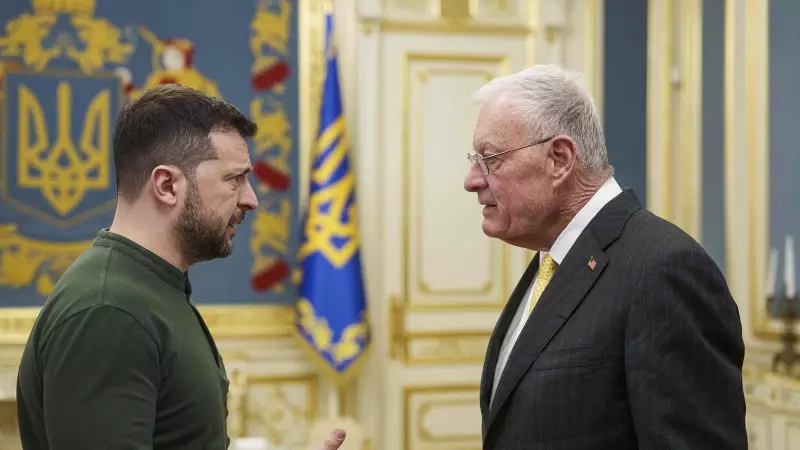
In a significant development in the ongoing conflict, a senior American diplomat has indicated that a potential peace agreement to end the Russia-Ukraine war could be close. However, this glimmer of diplomatic hope is immediately challenged by Moscow's stated requirement for substantial changes to any proposed deal.
Diplomatic Optimism Meets Russian Resistance
U.S. Special Envoy for Ukraine Keith Kellogg presented an assessment suggesting that the framework for a peace deal is nearing completion. This statement, made on December 07, 2025, points toward intensified behind-the-scenes negotiations aimed at halting the prolonged military engagement. The envoy's comments signal a possible pivotal moment in international efforts to mediate an end to the hostilities that have drawn in global powers and reshaped European security.
Contrasting sharply with this optimistic outlook, Russian officials have publicly dismissed the notion of a quick agreement under the current terms. Moscow's response emphasizes a demand for "radical changes" to any prospective peace plan. This position underscores the deep-seated disagreements on core issues, including territorial control, security guarantees, and the future geopolitical alignment of Ukraine. The conflicting statements reveal the vast gulf that remains between the negotiating positions of the warring parties and their international backers.

The Stakes for Ukraine and Global Security
The public divergence between U.S. diplomatic signals and Russian conditions places Ukrainian President Volodymyr Zelenskyy's government in a complex position. Ukraine must balance the desire for a sustainable peace with the imperative of preserving its sovereignty and territorial integrity, principles that have been central to its war effort. The details of what constitutes "radical changes" for Moscow are not fully public, but they likely pertain to concessions Kyiv has previously deemed unacceptable.
This diplomatic maneuvering occurs against a backdrop of continued military action and profound humanitarian consequences. The prospect of a deal, however distant, introduces a new dynamic into the conflict, affecting military strategy, international aid discussions, and the long-term planning of all involved nations. The situation remains fluid, with the public statements serving as markers in a high-stakes negotiation process where every word is carefully calibrated for multiple audiences, both domestic and international.
An Uncertain Path Forward
The immediate future of the peace process appears fraught with uncertainty. While Kellogg's remarks suggest that diplomatic channels are active and potentially productive, Russia's counter-demand indicates that major obstacles are far from resolved. The international community, including Canada and its allies, continues to watch closely, as the outcome will have significant ramifications for global order, energy security, and the stability of Eastern Europe.
Analysts caution that such public posturing is often part of the negotiation process itself, with each side testing the other's resolve and public tolerance for compromise. The coming weeks will be critical in determining whether these statements represent a genuine step toward dialogue or merely a tactical pause in a protracted conflict. For now, the path to peace remains contested, with closeness to a deal existing in the eye of the diplomatic beholder.