U.S. Navy Rejects Escort Demands in Strait of Hormuz, Citing Elevated Security Threats
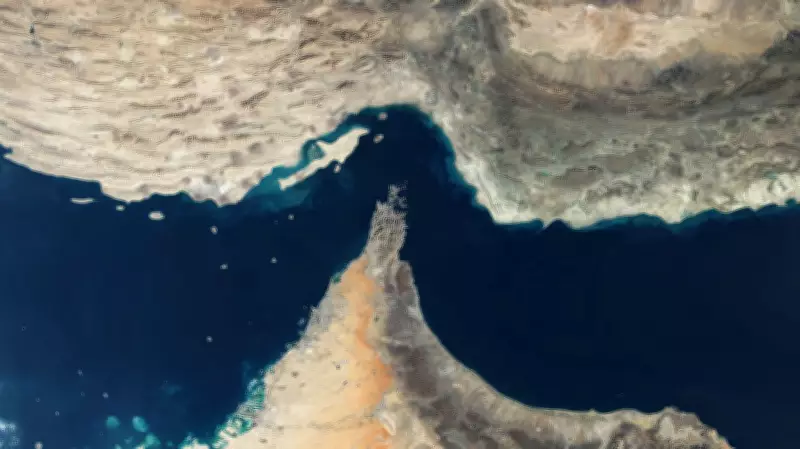
LONDON – In a move that underscores the volatile security landscape in the Middle East, the U.S. Navy has consistently turned down almost daily appeals from the shipping industry for military escorts through the Strait of Hormuz since the onset of the war on Iran. Sources with direct knowledge of the situation reveal that naval authorities have deemed the current risk of attacks too severe to permit such operations, leading to significant disruptions in oil exports from the region.
Divergence from Presidential Promises
This stance marks a clear departure from statements made by President Donald Trump, who has repeatedly assured that the United States is ready to provide naval escorts to facilitate regular shipments along this critical waterway. "When the time comes, the U.S. Navy and its partners will escort tankers through the strait, if needed," Trump declared during a recent press conference at his Mar-a-Lago resort in Florida. However, the Navy's assessments, communicated in regular briefings with shipping and oil industry representatives, indicate that such escorts are not feasible at present due to heightened dangers.
Impact on Global Oil Markets
The refusal to offer escorts has exacerbated the near-total halt in shipping through the narrow strait, which began over a week ago with the start of the U.S.-Israeli conflict with Iran. This blockage has prevented the export of approximately one-fifth of the world's oil supply, sending global oil prices soaring to levels not seen since 2022. The situation has drawn warnings from major players like Saudi Arabia's Aramco, which cautioned of "catastrophic consequences" for oil markets if the disruptions persist.

Iran's Threats and Security Challenges
Adding to the tension, Iranian media reported last week that a senior official with Iran's Revolutionary Guards declared the strait closed, threatening to fire on any ship attempting passage. Several vessels have already been targeted, including an incident where a remote-controlled boat laden with explosives damaged a crude oil tanker in Iraqi waters. Maritime security experts highlight the formidable challenges in securing the strait, even with an international coalition, due to Iran's capacity to deploy mines or inexpensive attack drones.
- Adel Bakawan, director of the European Institute for Studies on the Middle East and North Africa, emphasized, "Neither France, the United States, an international coalition or anybody is in a position to secure the Strait of Hormuz."
- A maritime security source noted that effective protection might require the U.S. to control Iran's extensive coastline, a task complicated by insufficient naval resources and the risk of being overwhelmed by swarms of fast boats or drones.
Military Assessments and Future Prospects
During a briefing on Tuesday, the Navy maintained its position that escorts would only be possible once the threat of attack diminishes. General Dan Caine, chairman of the Joint Chiefs of Staff, acknowledged that the U.S. military is exploring options for potential escorts if ordered, but no commercial ships have been escorted through the strait to date. This was clarified after U.S. Secretary of Energy Chris Wright retracted a social media post falsely claiming a successful escort operation.
Meanwhile, the Pentagon has renewed threats to intensify strikes against Iran unless shipping can resume, targeting Iranian mine-laying vessels and storage facilities. As hundreds of ships remain anchored and global oil markets reel, the standoff in the Strait of Hormuz continues to pose a severe test for international security and economic stability.