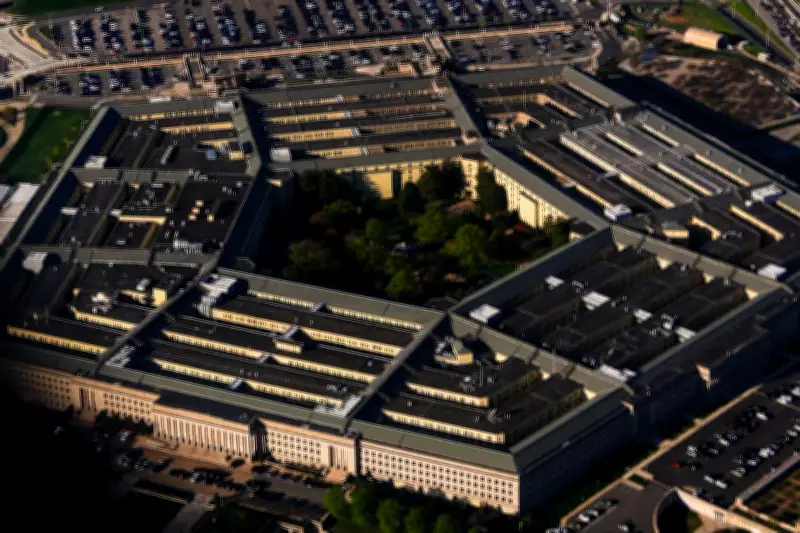
The United States military is actively pushing for a substantial boost in defense appropriations for the fiscal year 2027, with a primary focus on expanding drone fleets and strengthening air defense networks utilized in the ongoing conflict with Iran. This strategic funding initiative aims to address evolving threats and maintain technological superiority in a volatile geopolitical landscape.
Enhanced Capabilities for Modern Warfare
According to recent reports, Pentagon officials have outlined a comprehensive plan to allocate increased resources toward unmanned aerial vehicles (UAVs) and advanced missile defense systems. These assets have become critical components in countering Iranian military activities and safeguarding allied forces in the region. The proposed budget augmentation reflects a recognition of the changing nature of warfare, where drone technology and air defense play pivotal roles in both offensive and defensive operations.
Strategic Priorities and Regional Stability
The funding push is driven by the need to modernize the U.S. military's arsenal in response to Iran's growing capabilities in asymmetric warfare. Drones have proven particularly effective for surveillance, targeted strikes, and intelligence gathering, while robust air defenses are essential for protecting military installations and personnel from missile and drone attacks. This financial injection is expected to support research, development, and procurement of next-generation systems that can operate effectively in contested environments.

Military analysts suggest that the increased spending could enhance deterrence and provide a more flexible response to regional provocations. By investing in these technologies, the Pentagon aims to reduce risks to American troops and maintain a strategic advantage over adversaries. The move also aligns with broader defense strategies that emphasize agility and innovation in the face of complex security challenges.
Budgetary Considerations and Future Outlook
The proposal for higher 2027 spending comes amid ongoing debates over defense budgeting and national security priorities. While details of the exact funding levels remain under discussion, insiders indicate that the request will likely face scrutiny from lawmakers concerned about fiscal responsibility. However, proponents argue that the investment is necessary to ensure readiness and address immediate threats in the Middle East.
As the situation with Iran continues to evolve, the Pentagon's focus on drones and air defenses underscores a commitment to adapting military capabilities to contemporary threats. This initiative may set a precedent for future defense allocations, highlighting the increasing importance of technological advancements in maintaining global security. The outcome of these budgetary discussions will have significant implications for U.S. military operations and international relations in the coming years.