U.S. Military Assets Deploy to Middle East Amid Regional Tensions
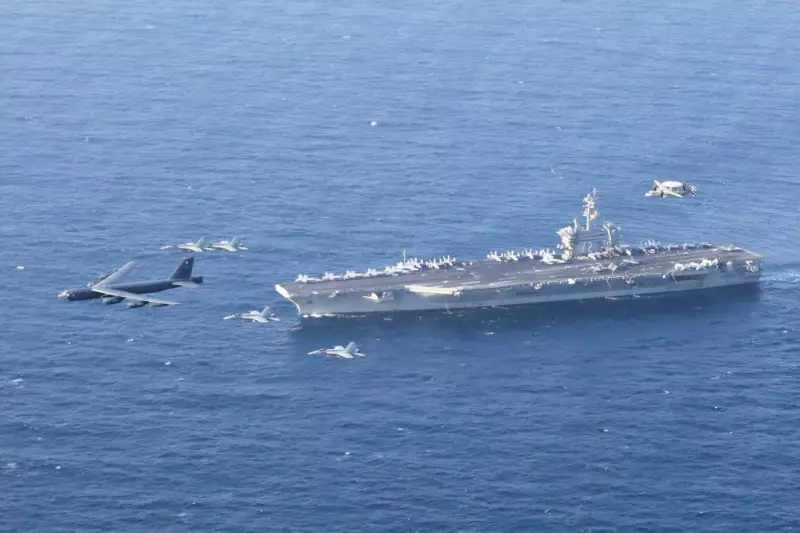
The United States is deploying significant military assets to the Middle East, including the USS Abraham Lincoln aircraft carrier and B-52H Stratofortress bombers, as part of ongoing strategic operations in the region. This movement underscores Washington's continued commitment to maintaining stability and security in an area of vital geopolitical importance.
Key Deployments and Strategic Significance
The USS Abraham Lincoln, a Nimitz-class nuclear-powered aircraft carrier, represents one of the most formidable naval assets in the U.S. fleet. Its deployment to the U.S. Central Command area of responsibility, which includes the Arabian Sea, signals a robust American presence. The carrier is capable of carrying over 60 aircraft, including F/A-18 Super Hornets, providing substantial air power projection capabilities.
Accompanying the carrier are B-52H Stratofortress long-range bombers, which have a storied history in U.S. military operations. These bombers can deliver both conventional and nuclear payloads over vast distances, offering a flexible deterrent and strike option. Their presence enhances the U.S. ability to conduct joint exercises and rapid response missions across the Middle East.

Historical Context and Recent Operations
These assets are not new to the region. For instance, in June 2019, the USS Abraham Lincoln and B-52H bombers conducted joint exercises in the Arabian Sea, demonstrating interoperability and readiness. Such exercises are crucial for maintaining operational cohesion and ensuring that U.S. forces are prepared for potential contingencies.
The current deployment comes amid a complex security landscape in the Middle East, marked by ongoing conflicts, regional rivalries, and threats from non-state actors. By positioning these assets, the U.S. aims to deter aggression, support allies, and protect critical maritime routes, such as the Strait of Hormuz, through which a significant portion of the world's oil passes.
Implications for Global Security
This military buildup has broader implications for international relations and defense strategies. It reflects the U.S. military's pivot towards great power competition, while also addressing immediate regional challenges. The presence of such high-profile assets can influence diplomatic negotiations and serve as a visible symbol of American resolve.
Moreover, the deployment highlights the importance of the Middle East in U.S. foreign policy, despite shifting global priorities. It underscores the need for a balanced approach that combines military strength with diplomatic efforts to foster stability and peace in the region.
As these assets move into position, they will likely engage in further training and patrols, reinforcing U.S. commitments and readiness. This strategic posture is expected to remain a key component of American defense policy in the coming months, shaping the security dynamics of the Middle East and beyond.