U.S.-Israeli Military Action Results in Death of Iranian Supreme Leader
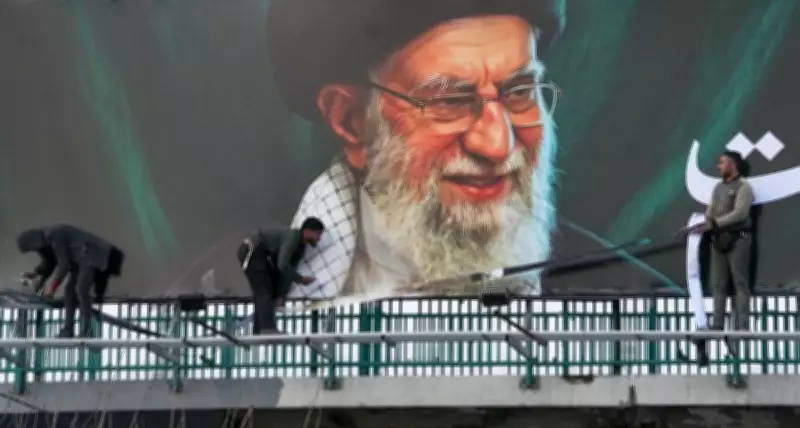
In a dramatic escalation of hostilities, joint U.S. and Israeli military strikes have led to the death of Iranian Supreme Leader Ayatollah Ali Khamenei. The attack, which occurred in Tehran, Iran, on Monday, March 2, 2026, has sent shockwaves across the globe, marking a significant turning point in the ongoing Middle East conflict. This event raises profound questions about international law and the precedent of targeting world leaders, as tensions continue to mount with reports of hundreds of casualties and widespread destruction in Iran.
Global Repercussions and Security Concerns
The assassination has triggered a rapid spread of conflict throughout the Middle East, with strikes escalating into a fourth day of intense fighting. In response, Canadian authorities have urgently advised citizens to avoid all travel to ten countries in the region, citing heightened risks to safety and security. Meanwhile, the U.S. Embassy in Saudi Arabia was hit by drones, resulting in additional fatalities and underscoring the volatile nature of the situation. Cybersecurity experts have also noted a surge in hackers targeting Iranian apps and websites following the strikes, further complicating the digital landscape.
Impact on Diaspora Communities and Misinformation Challenges
Within Canada, the Iranian diaspora is experiencing deep divisions, as communities in cities like Calgary and Regina reflect on the future amid the intensifying conflict. Many express concerns over the potential for long-term instability and its effects on families and cultural ties. Concurrently, the spread of misinformation and AI-generated images related to the Iran conflict has become a significant issue online, posing challenges for media integrity and public understanding. Experts emphasize the importance of navigating distressing news stories with reliable sources and coping mechanisms to mitigate emotional impact.

Broader Context and Historical Precedents
This assassination prompts a critical examination of historical actions by the U.S., questioning whether such direct targeting of a world leader has occurred before. The move aligns with broader geopolitical strategies, as seen in Canada's efforts to deepen trade and defense ties with allies like Australia, highlighting a global shift towards reinforced security partnerships. As energy prices surge due to tanker disruptions and facility shutdowns, the economic ramifications of the conflict are becoming increasingly apparent, affecting markets worldwide.
In summary, the killing of Ayatollah Ali Khamenei represents a pivotal moment in international relations, with far-reaching consequences for diplomacy, security, and global stability. The ongoing conflict underscores the need for careful analysis and proactive measures to address the complex challenges emerging from this unprecedented event.