Trump Announces U.S. Naval Blockade of Iranian Ports in Major Escalation
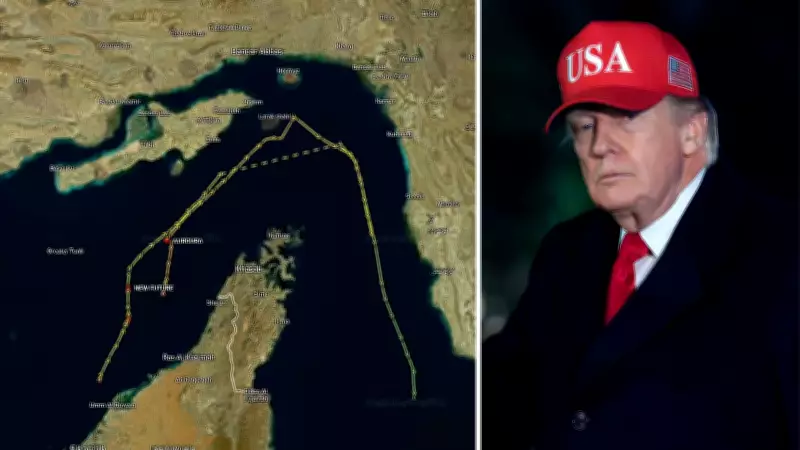
In a move that has sent shockwaves through international diplomatic circles, former U.S. President Donald Trump has declared that American military forces have implemented a comprehensive naval blockade of Iranian ports. This announcement, made on April 13, 2026, represents a dramatic escalation in the longstanding tensions between Washington and Tehran, directly aimed at increasing pressure on the Iranian government.
Military Analysts Warn of Dangerous Escalation
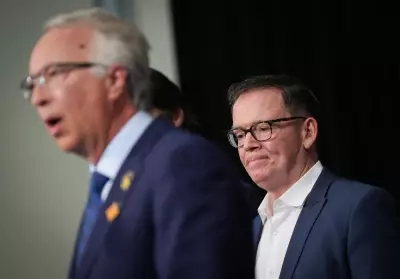
Security experts and former military officials have responded with grave concern to the blockade announcement. A former vice chief of the defence staff characterized the action bluntly, stating, 'This is an escalation', highlighting the significant shift in U.S. strategy toward Iran. Military analysts further elaborated that regardless of the specific tactical implementation, a U.S. blockade of Iranian ports would fundamentally constitute an escalation in the conflict, potentially pushing both nations closer to open confrontation.
The strategic implications are profound. By cutting off maritime access to Iran's key ports, the United States aims to severely restrict Iran's ability to export oil and import goods, applying maximum economic pressure. This tactic raises immediate questions about Iran's available responses and whether the nation has exhausted its diplomatic and strategic options.

Global Economic Repercussions Feared
The blockade has triggered immediate alarm within global financial and energy markets. Economists warn of 'bad news once again' for the international oil industry, as renewed U.S.-Iran tensions threaten to disrupt supply chains and trigger price volatility. The Strait of Hormuz, a critical chokepoint for global oil shipments located near Iran, could become a flashpoint, with any disruption there having worldwide consequences.
Furthermore, the announcement comes amid reports that major oil corporations like Chevron and Shell are negotiating agreements for oil and gas projects in Venezuela, suggesting a complex global energy landscape where regional conflicts have far-reaching effects. The blockade adds another layer of uncertainty to an already fragile global economic environment.
A Context of Stalled Diplomacy and Rising Tensions
Trump's declaration follows a period where peace talks between the U.S. and Iran have reportedly stalled, leading to renewed threats and posturing. This naval blockade is portrayed as a direct consequence of that diplomatic failure. The situation underscores the volatile nature of U.S.-Iran relations, where periods of negotiation can quickly give way to shows of military force.
As the world watches this development unfold, the key questions remain: Is this a definitive military action or political rhetoric? And how will Iran, a nation with significant regional influence and military capabilities, choose to respond? The answers will likely determine whether this blockade remains a tense standoff or becomes the precursor to a broader conflict.