U.S. Embassy in Israel Permits Staff Evacuation as Iran Strike Threat Intensifies
The United States Embassy in Israel has issued a directive allowing its staff members to voluntarily depart the country, citing elevated security risks associated with a looming threat of military action against Iran. This move underscores the growing unease in the region as diplomatic and military postures harden.
Heightened Security Measures Amid Regional Instability
In response to intelligence indicating a potential strike on Iran, embassy officials have activated contingency plans, offering personnel the option to leave Israel. This precautionary step aims to safeguard American diplomats and their families from possible retaliatory actions or collateral violence that could erupt from an escalation in hostilities.
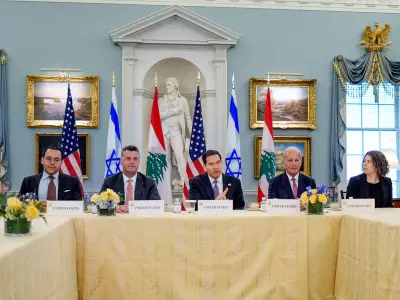
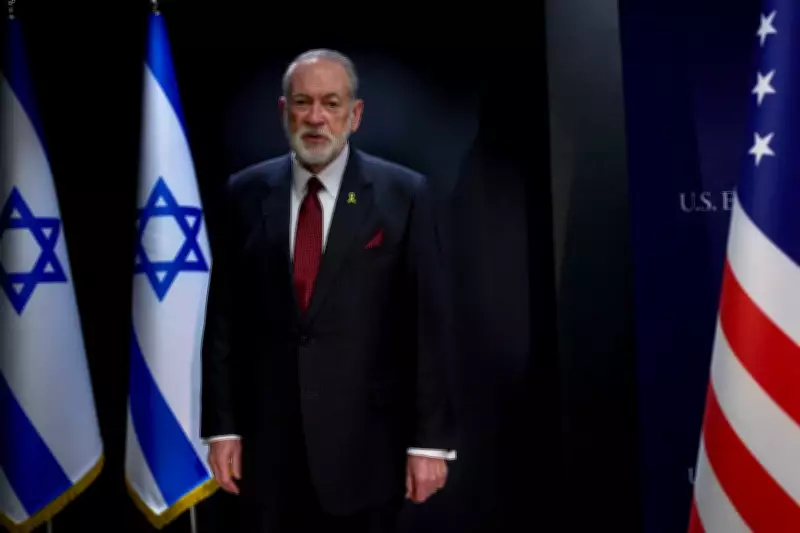
The decision follows a period of increased military readiness and diplomatic maneuvering, with U.S. Ambassador to Israel Mike Huckabee recently engaging in high-level discussions in Jerusalem. His presence highlights the strategic importance of U.S.-Israel relations during this volatile phase.

Broader Implications for Middle East Diplomacy
This development signals a significant shift in U.S. foreign policy posture, as it prepares for potential conflict scenarios. The embassy's action reflects a broader trend of nations reassessing their security protocols in the Middle East, where tensions have simmered for years over Iran's nuclear program and regional influence.
Analysts note that such evacuations are rare and typically reserved for imminent threats, suggesting that the current situation is being treated with utmost seriousness by Washington. The move could also impact bilateral cooperation on issues ranging from counterterrorism to economic partnerships.
Context of Ongoing Israel-Hamas Conflict
The embassy's announcement comes against the backdrop of the protracted Israel-Hamas war, which has already strained regional stability. Adding the prospect of an Iran strike introduces another layer of complexity, potentially drawing in multiple actors and exacerbating humanitarian crises.
Key points to consider:
- The evacuation option is voluntary, allowing staff to assess personal risk levels.
- It does not signify a full-scale withdrawal but emphasizes preparedness.
- Similar measures may be adopted by other embassies if tensions escalate further.
As the situation evolves, the international community watches closely, hoping for de-escalation through diplomatic channels rather than military confrontation.