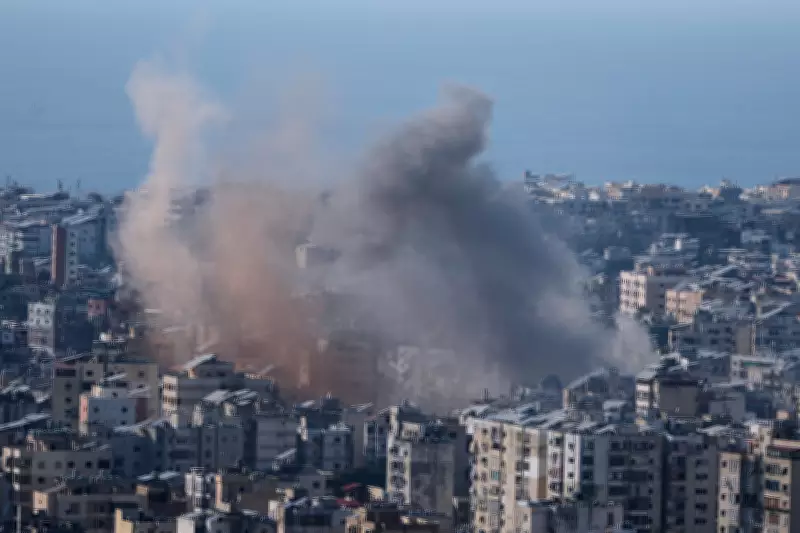
U.S. Military Escalates Strikes, Destroys Iranian Mine-Laying Vessels in Gulf
The United States has intensified its military operations in the Middle East, announcing the destruction of 16 Iranian mine-laying vessels in the Gulf. This aggressive move comes as Iran issues stark threats to block oil exports through the critical Strait of Hormuz, a vital global energy corridor. The escalating conflict raises urgent questions about regional stability and the potential for broader economic disruption.
Heightened Military Actions and Strategic Implications
According to U.S. Central Command, new video evidence confirms the successful targeting of Iranian missile launchers and naval assets. U.S. Defense Secretary emphasized that recent strikes represent the most intense day of military action inside Iran to date, signaling a significant ramp-up in operational tempo. These developments occur against a backdrop of Iran orchestrating attacks on neighboring countries, further complicating diplomatic efforts.
The strategic importance of the Gulf cannot be overstated, with approximately one-fifth of the world's oil supply passing through its waters. Any blockade attempt by Iran could trigger severe global economic consequences, affecting energy markets and international trade routes. The U.S. military's preemptive destruction of mine-laying vessels appears designed to prevent such a scenario, though it risks provoking further retaliation.

International Reactions and Diplomatic Tensions
Regional actors have responded with heightened alert. Qatar released footage purporting to show its air defenses intercepting Iranian drones and missiles, highlighting the spillover effects of the conflict. Meanwhile, Canada's Prime Minister Carney has explicitly stated that Canada will "never participate" in any offensive against Iran, reflecting a cautious international stance. The White House faces mounting scrutiny over whether it possesses a coherent long-term strategy for the war or is merely reacting tactically to emerging threats.
The geopolitical landscape is further strained by Iran's broader regional ambitions, including its support for proxy forces and alleged involvement in cross-border attacks. Analysts warn that the destruction of naval assets could push Iran toward asymmetric warfare tactics, such as cyberattacks or targeting commercial shipping, to counter U.S. military superiority.
Broader Context and Future Outlook
This escalation follows a pattern of increasing hostilities, with the U.S. previously conducting strikes on Iranian missile launchers and infrastructure. The conflict's duration remains uncertain, as diplomatic channels appear strained and military posturing intensifies. Experts note that the situation could evolve rapidly, with potential implications for global security and energy policy.
Key factors to monitor include:
- The potential for Iranian retaliation against U.S. allies or assets in the region.
- Impact on global oil prices and supply chains if Gulf transit is disrupted.
- International efforts to mediate or de-escalate the crisis, particularly by regional powers.
- The long-term strategic objectives of both the U.S. and Iran in this protracted conflict.
As tensions mount, the international community watches closely, aware that any miscalculation could have far-reaching consequences beyond the Middle East.