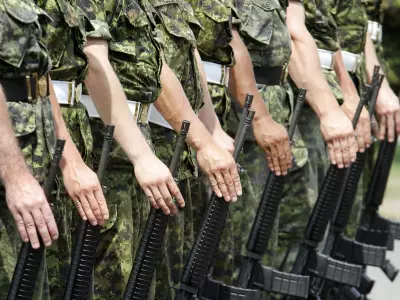
The United Nations has been struck by a series of devastating blows in a single week, marking one of its gravest periods in recent memory. Six peacekeepers and a local interpreter were killed in separate incidents, while ten additional UN staff members were detained in Yemen, creating a profound crisis for the international body.
A Week of Tragedy and Tension
The grim sequence of events unfolded rapidly, underscoring the extreme dangers faced by UN personnel in conflict zones. The loss of the six blue helmets and their interpreter represents a significant blow to peacekeeping efforts, though the specific mission location and details of the attack were not immediately disclosed in initial reports. Concurrently, the detention of ten UN employees in Yemen by local authorities has raised urgent concerns about the safety and diplomatic protections afforded to international aid and political workers.
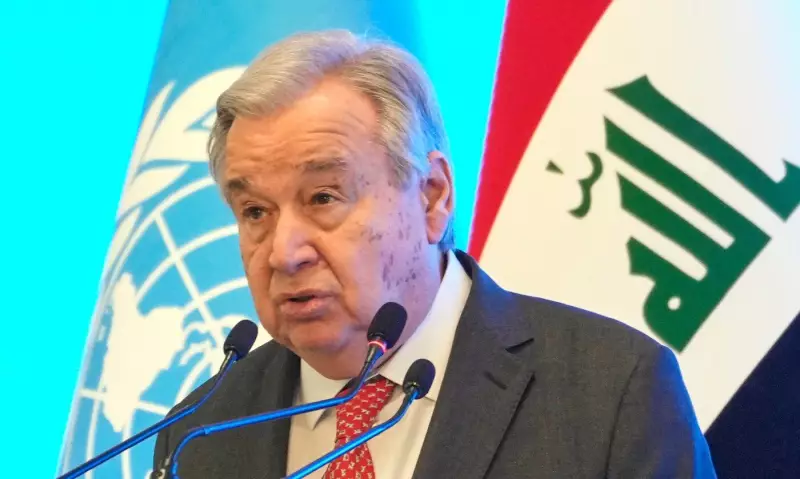
UN Secretary-General Antonio Guterres has been confronted with this dual crisis. The news broke as Guterres was concluding the UN political mission in Baghdad, Iraq, on Saturday, December 13, 2025. The timing highlights the relentless challenges facing the organization across multiple fronts.

Mounting Pressure on Global Diplomacy
The detentions in Yemen, a country torn by years of civil war, present a particularly complex diplomatic hurdle. The reasons for holding the ten staffers remain unclear, but such actions typically involve accusations of espionage, violating local laws, or operating without proper authorization. These incidents severely hamper humanitarian and political operations, putting vital aid programs at risk and chilling relations between the UN and de facto authorities.
The killing of peacekeepers, meanwhile, is a stark reminder of the ultimate sacrifice demanded in the pursuit of global stability. Each such attack triggers investigations and calls for accountability, though justice is often elusive in fractured states where the UN operates. The interpreter's death also highlights the crucial, yet frequently overlooked, role of local staff who bridge cultural and linguistic divides at great personal risk.
Broader Implications for International Security
This one-week toll signals a dangerous erosion of respect for international law and the protected status of humanitarian workers. It will inevitably force a reassessment of security protocols and mission mandates in high-risk areas. For Canada, a nation historically committed to multilateralism and UN peacekeeping, these events reinforce the volatile nature of global engagements and the human cost of diplomatic missions.
The UN now faces the immediate tasks of securing the release of its detained personnel, supporting the families of the fallen, and investigating the attacks to prevent future tragedies. The week of December 19, 2025, will be recorded as a somber chapter in the organization's history, testing its resilience and the international community's commitment to upholding the principles of peace and security it was founded to defend.