Air traffic in the Russian capital was brought to a standstill on Sunday, January 4, 2026, as authorities shut down major airports in response to an imminent threat from Ukrainian drones. The unprecedented move highlights the expanding reach of aerial warfare into the heart of Russia.
Airspace Lockdown in the Capital
The disruption began in the early hours, with Russian aviation officials confirming the closure of Vnukovo, Domodedovo, and Sheremetyevo airports. All inbound and outbound flights were suspended indefinitely. The decision, attributed to a credible and direct threat from unmanned aerial vehicles (UAVs) originating from Ukraine, stranded thousands of passengers and caused a cascade of cancellations across international air routes.
While official statements were brief, sources within Russian security services indicated that air defense systems in the Moscow region were placed on high alert. The incident marks one of the most significant direct disruptions to civilian infrastructure in the capital since the conflict began, bringing the war's consequences sharply into focus for Muscovites.

Context of Escalating Aerial Campaigns
This airport shutdown is not an isolated event but part of a pattern of escalating drone warfare. Throughout 2025, Ukraine has increasingly targeted strategic locations inside Russia, including military airfields, fuel depots, and logistical hubs. The capability to threaten Moscow's civilian aviation infrastructure represents a significant tactical and psychological shift.
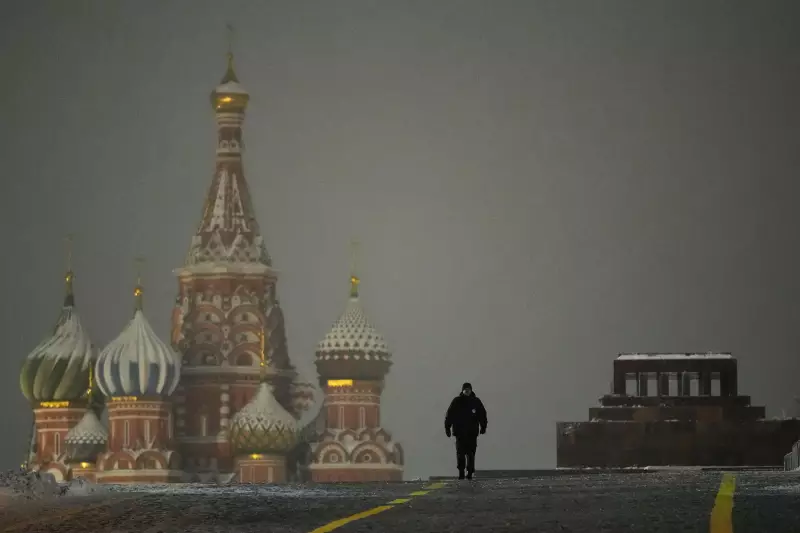
The closure occurred against a backdrop of heightened security in Moscow. The city's iconic Red Square had been sealed off just days earlier for New Year's Eve celebrations, a reminder of the persistent state of alert. January 4, 2026, will now be noted as the date when that vigilance extended squarely into the realm of civilian air travel, directly impacting international connectivity.
Implications and Regional Fallout
The immediate consequence was massive travel chaos. Travelers were advised to contact their airlines for rebooking, with no clear timeline provided for a return to normal operations. The economic impact is likely substantial, affecting cargo shipments, business travel, and tourism.
Analysts suggest this event signals a new phase in the conflict, where critical national infrastructure far from the front lines is becoming a viable target. It raises profound questions about the security of other major transport and energy hubs within Russia and the potential for further escalation. The successful threat, whether or not it resulted in a physical attack, demonstrates an effective projection of force by Ukrainian forces, challenging Russia's defensive claims around its capital.
For the international community, particularly nations with citizens in transit, the incident underscores the widening geographic scope of the war and its growing potential to disrupt global systems. The shutdown serves as a stark reminder that the Russia-Ukraine conflict continues to evolve with direct and unpredictable consequences for regional stability and international travel.