Turkish-Operated Tanker Targeted by Naval Drone in Black Sea Incident
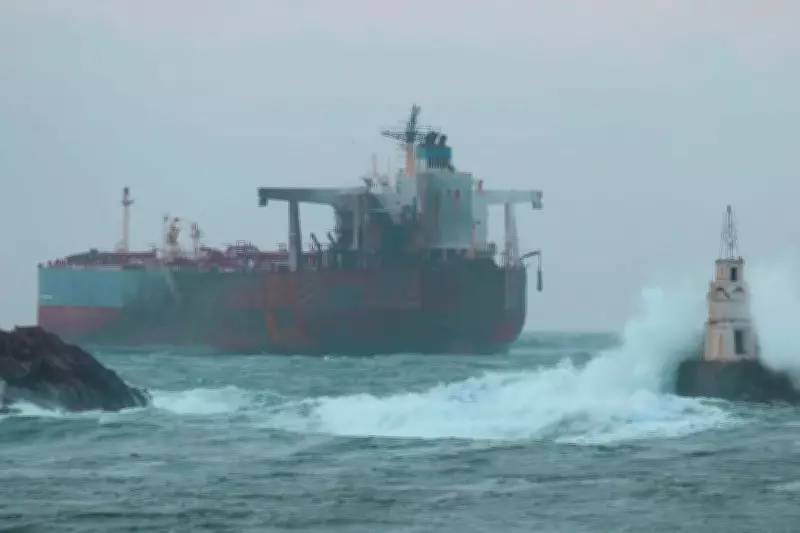
In a significant maritime security event, a Turkish-operated oil tanker has been damaged following a suspected Ukrainian naval drone strike in the Black Sea. The incident, which occurred near the port of Ahtopol, Bulgaria, highlights the ongoing volatility in the region amid the protracted Russia-Ukraine conflict.
Details of the Attack and Crew Safety
The vessel, identified as the Kairos, was reportedly struck by an unmanned naval drone, resulting in substantial damage to its structure. Despite the severity of the attack, all crew members aboard the tanker have been confirmed safe, with no injuries reported. This development underscores the targeted nature of such strikes, which often aim to disrupt maritime operations without causing human casualties.
Background and Regional Context

The Black Sea has become a focal point of naval engagements since the escalation of hostilities between Russia and Ukraine. Both nations have increasingly utilized drone technology to assert control over critical sea lanes and energy infrastructure. The Kairos, previously involved in a similar incident in December 2025 off the coast of Bulgaria, exemplifies the persistent threats faced by commercial shipping in these contested waters.
Implications for Global Energy Markets
This attack raises concerns about the security of oil transport routes in the Black Sea, a key corridor for energy exports from the region. Disruptions to tanker operations can have ripple effects on global oil supplies and prices, particularly given the strategic importance of Black Sea ports. Analysts warn that such incidents may compel shipping companies to reconsider routes, potentially leading to increased insurance costs and logistical challenges.
International Response and Monitoring
Authorities in Bulgaria and Turkey are closely monitoring the situation, with investigations underway to determine the full extent of the damage and the precise origins of the drone. The international community, including NATO members, is likely to scrutinize this event as part of broader assessments of maritime security in the Black Sea. This incident follows a pattern of escalating drone warfare, which has seen both sides employing advanced technologies to target naval assets.
Future Outlook and Security Measures
As drone capabilities continue to evolve, maritime operators may need to enhance defensive measures, such as electronic warfare systems and increased surveillance. The safety of crew members remains a paramount concern, with industry groups advocating for improved protocols and international cooperation to mitigate risks. This attack serves as a stark reminder of the vulnerabilities in global shipping lanes during times of geopolitical tension.
In summary, the drone strike on the Kairos tanker underscores the ongoing dangers in the Black Sea, with implications for regional stability and global energy security. While the crew's safety is a positive outcome, the incident highlights the need for robust maritime defense strategies in an era of asymmetric warfare.