Conrad Black: Trump's Strategic Moves Have Humiliated Iran in Strait Conflict
A decisive victory for the United States and Israel appears imminent as recent developments in the Iran conflict unfold according to predictions made in this column over the past three weeks. The situation has evolved dramatically since Iran initially entered Islamabad discussions with unwarranted confidence, believing America was seeking peace while Iran had discovered a strategic advantage by closing the vital Strait of Hormuz.
Iran's Initial Confidence and Western Vulnerability
Iranian leadership entered negotiations exuding confidence that they had struck at what they perceived as the Achilles' heel of Western powers. By closing the Strait of Hormuz, Iran believed it had exposed fundamental weaknesses within the Western Alliance and exploited what they viewed as American public vulnerability to rising gasoline prices. This strategic move was intended to demonstrate Iranian power and Western infirmity simultaneously.
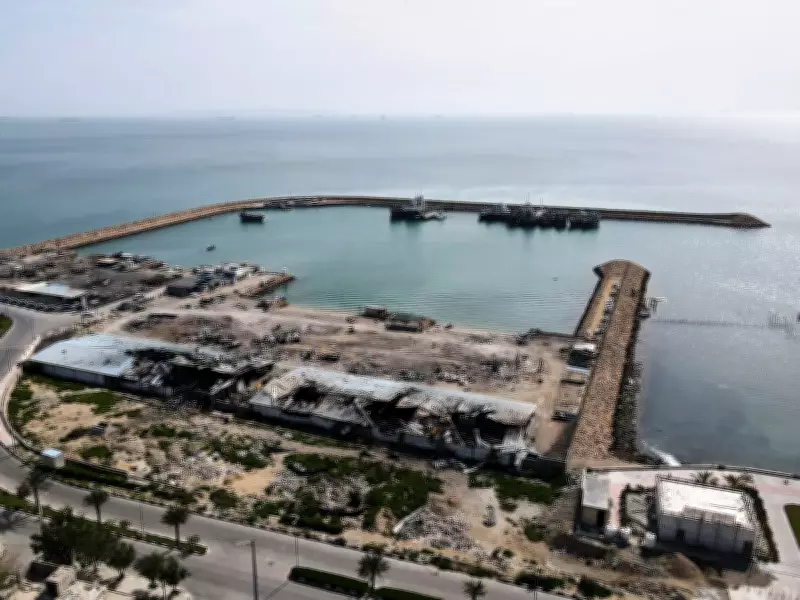
Recent photographic evidence from Qeshm Island in Iran, dated April 13, 2026, shows visible damage to fishing piers in the port area, with local witnesses attributing this destruction to multiple airstrikes during the ongoing U.S.-Israel military campaign. The backdrop of ships in the Strait of Hormuz provides dramatic visual context to the escalating conflict.

The American Response and Strategic Reversal
As predicted in previous analysis, the United States has now implemented a decisive counter-strategy that has fundamentally altered the balance of power. The American military has effectively shut the Strait of Hormuz specifically to Iran, causing an abrupt collapse in Iranian revenue from international trade. This economic strangulation has created immediate and severe consequences for the Iranian economy.
Simultaneously, the United States has opened the vital waterway to all other nations, with non-Iranian tanker traffic through the strait increasing significantly in recent days. This strategic move demonstrates American naval supremacy while isolating Iran economically. Despite Iranian declarations on Friday that the Strait was open, President Trump has maintained that the U.S. blockade against Iran implemented last weekend will continue indefinitely.
Naval Supremacy and Strategic Consequences
Historical context reveals that the United States Navy has maintained control of international sea lanes for eighty-five consecutive years, possessing both the capability and authority to regulate passage through strategic waterways like the Strait of Hormuz. This naval supremacy has allowed America to implement selective blockade strategies that target specific nations while maintaining global trade flows.
The economic consequences extend beyond Iran's borders, with China experiencing significant disruption to its oil supply chain as both Venezuelan and Iranian exports have been affected. This represents an incidental strategic benefit for American interests in global energy markets.
Diplomatic Maneuvering and Iranian Retreat
The American strategy included explicit threats to "destroy Iranian civilization" through targeted infrastructure attacks referred to in government circles as "bridge and power-plant day." These threats, while characteristically hyperbolic in Trumpian fashion, successfully compelled Iranian concessions regarding the Strait blockade.
However, Iranian leadership demonstrated what American officials characterized as "bad faith" by attempting to maintain a modified blockade that would permit only Chinese vessels and those paying exorbitant tolls of one million dollars per tanker to pass through the strait. This maneuver prompted initial celebration among international and domestic media outlets critical of the Trump administration, who prematurely declared Iranian victory in the conflict.
Economic Reality and Diplomatic Reversal
This media celebration proved short-lived, lasting merely forty-eight hours before economic reality compelled Iranian retreat. As Iran recognized that nearly all foreign income had been severed and that they lacked the military capability to challenge American naval supremacy or intimidate neighboring Gulf oil exporters, they requested a return to diplomatic talks in Islamabad.

The current situation presents Iran with an unsustainable position. Either the nation must submit to constant verification processes while abandoning nuclear military aspirations, ceasing terrorist financing along Israeli borders and elsewhere, and ending provocative actions regarding the Strait of Hormuz, or face continued economic strangulation from American sanctions.
Strategic Implications and Future Scenarios
Violations of any ceasefire agreement by Iran would trigger punitive American responses, potentially including the previously threatened infrastructure attacks. The United States maintains the capability to enforce these terms with minimal risk to American forces and without causing prohibitive harm to Iranian civilian populations.
The dramatic rhetoric about "the end of Persian civilization" that concerned international observers including religious leaders represents characteristic Trumpian exaggeration designed to capture attention and compel diplomatic movement. The strategy has proven effective in forcing Iranian retreat from previously entrenched positions.
This evolving conflict demonstrates the continuing relevance of naval power in twenty-first century geopolitics and the effectiveness of targeted economic pressure in compelling diplomatic concessions from adversarial nations. The situation continues to develop with significant implications for Middle Eastern stability and global energy markets.