Trump's Evolving Approach to Strait of Hormuz Strategy Prompts Scrutiny of U.S. War Preparedness
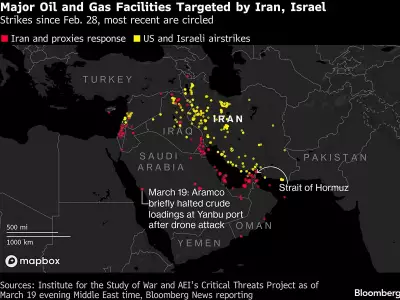
Recent strategic adjustments by the Trump administration concerning the critical Strait of Hormuz have ignited significant debate and raised pressing questions about the United States' military readiness and potential involvement in future conflicts. The Strait of Hormuz, a narrow maritime chokepoint through which approximately one-fifth of the world's oil passes, has long been a flashpoint for geopolitical tensions, particularly between the U.S. and Iran.
Strategic Shifts and Regional Implications
Observers note that the administration's changing course represents a departure from previous diplomatic and military postures, potentially signaling a more aggressive stance in the region. This shift comes amid ongoing regional instability and heightened concerns about energy security, given the strait's vital role in global oil transportation. The strategic importance of this waterway cannot be overstated, as any disruption could have severe consequences for international markets and global economic stability.
Military analysts have expressed concerns that these policy changes may indicate inadequate preparation for potential escalations, questioning whether U.S. forces are sufficiently equipped and positioned to respond effectively to emerging threats. The timing of these strategic adjustments, coinciding with other global security challenges, adds another layer of complexity to an already volatile situation.

Questions About Preparedness and Escalation Risks
The evolving strategy has prompted defense experts to examine several critical aspects of U.S. military readiness:
- Force deployment and positioning in and around the Arabian Gulf region
- Coordination with regional allies and partners who depend on secure passage through the strait
- Contingency planning for potential blockade scenarios or hostile actions
- Intelligence capabilities regarding adversary movements and intentions
These concerns are amplified by the region's history of confrontations and the delicate balance of power that exists among various state and non-state actors. The potential for miscalculation or unintended escalation remains a significant worry for policymakers and military planners alike.
Broader Geopolitical Context
This strategic reassessment occurs within a broader context of shifting global power dynamics and changing energy landscapes. As alternative energy sources gain prominence and global supply chains evolve, the strategic calculus surrounding the Strait of Hormuz continues to transform. However, its immediate importance remains undiminished, making any changes in U.S. policy particularly consequential.
The administration's approach appears to reflect a calculation that more assertive posturing may deter potential adversaries, though critics argue this could instead provoke precisely the types of confrontations it seeks to prevent. This tension between deterrence and provocation lies at the heart of current debates about the wisdom and timing of these strategic adjustments.
As the situation continues to develop, close monitoring of military deployments, diplomatic communications, and regional developments will be essential for understanding the full implications of these policy changes. The international community remains watchful, recognizing that decisions made regarding the Strait of Hormuz could have far-reaching consequences for global security and economic stability.