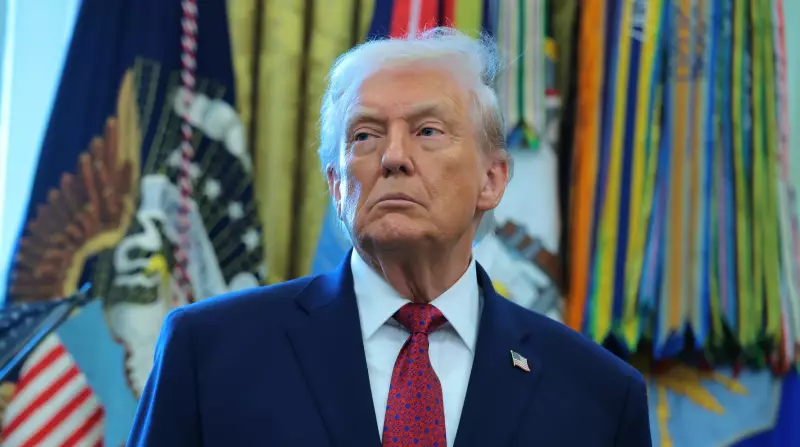
In a significant escalation of pressure on the authoritarian government of Nicolás Maduro, U.S. President Donald Trump declared on Tuesday that he is ordering a naval blockade against all sanctioned oil tankers attempting to reach Venezuela. This move aims to tighten the economic chokehold on the South American nation, which possesses the world's largest proven oil reserves.
Military Buildup and Economic Strangulation
The announcement of the blockade follows a recent buildup of U.S. military forces in the region and an unusual seizure of an oil tanker off the Venezuelan coast last week. In a social media post, Trump framed the action as a response to Venezuela using oil revenue to fund drug trafficking and other crimes. He made a sweeping demand, vowing to continue the military escalation "until such time as they return to the United States of America all of the Oil, Land, and other Assets that they previously stole from us."
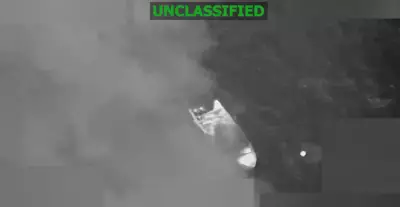
Trump claimed Venezuela is "completely surrounded by the largest Armada ever assembled in the History of South America," warning the shock to the country would be unprecedented. This military campaign has been accompanied by a series of strikes on vessels in international waters, which the administration says target drug smuggling. However, these operations have drawn bipartisan scrutiny from U.S. lawmakers and are confirmed to have killed at least 95 people in 25 known strikes.

Beyond Drugs: A Campaign to Oust Maduro
While the Trump administration has publicly defended the military actions as a successful anti-narcotics operation, the President's chief of staff, Susie Wiles, indicated a broader geopolitical objective. In a Vanity Fair interview published Tuesday, Wiles stated Trump "wants to keep on blowing boats up until Maduro cries uncle," confirming the campaign is part of a push to oust the Venezuelan leader.
The blockade directly targets Venezuela's economic lifeline. The country produces roughly 1 million barrels of oil per day, and revenue from this resource is critical for the government. Since the U.S. began imposing oil sanctions in 2017, the Maduro regime has increasingly relied on a shadowy fleet of unflagged tankers to smuggle crude into global markets. The new blockade is designed to sever this last remaining artery.
Venezuelan Response and Regional Implications
The move has already sparked protests within Venezuela. On December 13, 2025, supporters of President Maduro and members of the Bolivarian Civil Militia demonstrated in the Caracas neighborhood of Petare, carrying banners that read "No more war for oil." The escalation represents a high-stakes gamble by the Trump administration, testing the bounds of lawful warfare and international norms as it seeks to apply maximum pressure on a long-standing adversary in America's hemisphere.