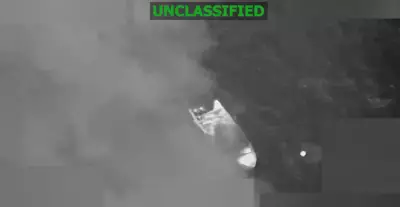
In a significant escalation of pressure on the government of Nicolás Maduro, U.S. President Donald Trump has ordered a naval blockade to prevent sanctioned oil tankers from entering Venezuelan waters. The directive, issued on December 16, 2025, represents a major hardening of Washington's approach to Caracas.
Details of the Blockade Order
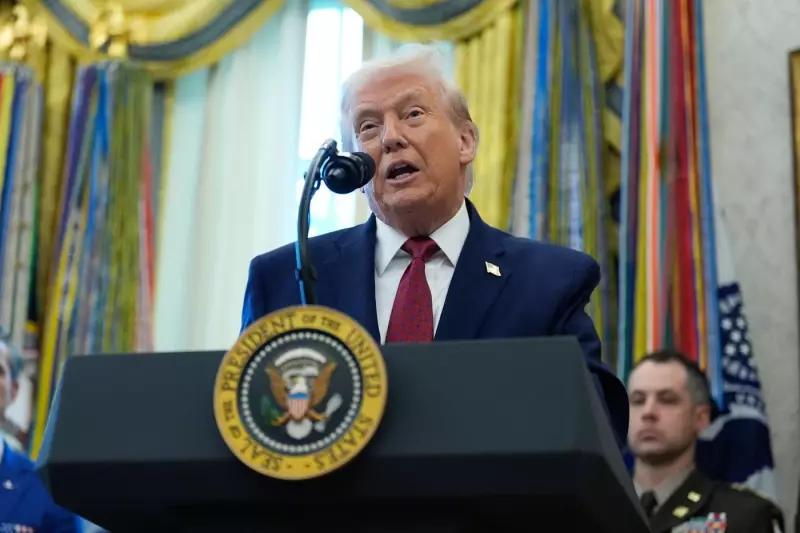
The order specifically targets vessels carrying oil that are under international sanctions. The move is designed to cripple a key revenue stream for the Maduro regime, which has long relied on petroleum exports despite a crumbling domestic economy and widespread political unrest. The announcement follows a presentation by President Trump of the Mexican Border Defense Medal in the Oval Office on Monday, December 15, 2025.
While the exact operational details of the blockade remain under the purview of the U.S. Department of Defense, the directive signals a willingness to use military assets to enforce economic sanctions. This step goes beyond previous measures, which primarily involved financial penalties and diplomatic isolation.

Context and Escalating Pressure
The Trump administration, along with many Western nations, has refused to recognize Maduro's presidency following elections widely condemned as illegitimate. The U.S. instead recognizes opposition leader Juan Guaidó as the country's legitimate interim president. For years, the strategy has involved a combination of sanctions aimed at state-owned oil company PDVSA and key regime figures.
This naval blockade order is the most direct and physical intervention to date. It aims to physically sever the Maduro government's access to the global oil market, cutting off the hard currency needed to maintain its hold on power. The risk of confrontations at sea has now been markedly increased.
Potential Repercussions and Regional Impact
The decision is likely to draw condemnation from allies of Venezuela, including Russia and China, and could further destabilize regional politics in Latin America. It also raises immediate questions about the safety of maritime commerce in the Caribbean Sea and the potential for unintended incidents.
For the people of Venezuela, already suffering from hyperinflation and severe shortages of food and medicine, the blockade could lead to further economic pain in the short term. The Trump administration's calculation appears to be that intensifying the crisis will ultimately force a political change. The success and consequences of this aggressive tactic remain to be seen, but it undeniably marks a new and more dangerous phase in the long-standing confrontation between Washington and Caracas.