Trump and Iran Exchange Infrastructure Threats as Conflict Enters Fourth Week
Iran issued a defiant threat on Sunday to attack critical U.S. infrastructure across the Middle East if President Donald Trump follows through on his vow to "obliterate" the Islamic republic's power plants. This escalation comes as the war between the two nations enters its fourth week, with tensions mounting over the blockade of the crucial Strait of Hormuz.
Trump's Ultimatum Over Strait of Hormuz
President Trump ratcheted up pressure on Iran's leadership by announcing a countdown over the de facto blockade of the vital trade route. In a post on Truth Social, Trump stated that the United States would "hit and obliterate" Iranian power plants, starting with the largest facility first, if Tehran did not fully reopen the Strait of Hormuz within 48 hours. The deadline was set for 23:44 GMT on Monday, according to the time of his post.
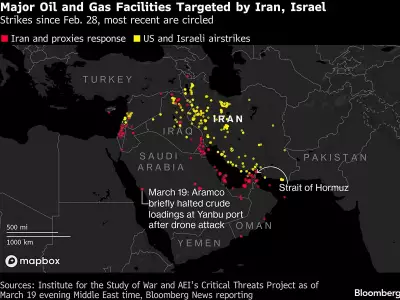
The Strait of Hormuz is a critical maritime chokepoint that typically carries approximately one-fifth of the world's crude oil and liquefied natural gas. The ongoing blockade has raised significant concerns about global economic fallout from the conflict, prompting Trump's aggressive stance.

Iran's Retaliatory Threat
Iran's military operational command responded swiftly to Trump's ultimatum, warning that if Iranian facilities were attacked, "all energy, information technology and desalination infrastructure belonging to the U.S." in the region would become targets. This threat specifically mentions U.S. energy installations, IT infrastructure, and water desalination facilities throughout the Middle East.
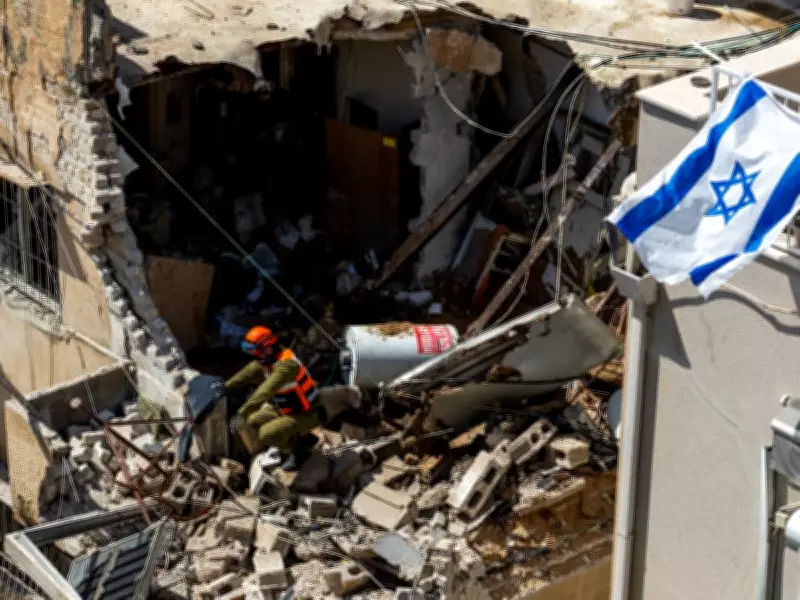
The Islamic republic's defiant response came after its missiles successfully penetrated air defenses and struck two towns in southern Israel, including Dimona, which houses what is widely believed to be the Middle East's only nuclear arsenal. These attacks wounded more than 100 people and represented some of the most destructive strikes on Israel since the war began on February 28.
Escalating Military Exchanges
Early Sunday morning, AFP journalists in Jerusalem reported hearing blasts and air raid sirens as Iran launched a fresh barrage of missiles at Israel. This followed direct hits on the towns of Arad and Dimona that caused significant damage to residential buildings and created craters in the ground.
"There was a 'boom, boom!', my mother was screaming," recounted 17-year-old Arad resident Ido Franky near the impact site. "This was terrifying... this town had never seen anything like this."
Israel responded with a new wave of strikes on Iran's capital Tehran, while the Israeli military announced it was investigating how its air defense systems had failed to intercept the incoming missiles. These exchanges demonstrate that Iran's arsenal continues to pose a significant threat across the region, despite previous claims by Trump and Israeli Prime Minister Benjamin Netanyahu that they had decimated Tehran's forces.
Nuclear Dimension of the Conflict
The missile that struck Dimona fell approximately five kilometers (three miles) from the nuclear facility, according to rescue officials. Iran stated that this attack was in retaliation for an earlier strike on its nuclear site at Natanz, which hosts underground centrifuges used to enrich uranium for Iran's disputed nuclear program.
After the Natanz attack, UN nuclear watchdog chief Rafael Grossi reiterated his call for "military restraint to avoid any risk of a nuclear accident." The Natanz facility had already sustained damage during the June 2025 war, adding to concerns about nuclear safety in the region.
Israel has never officially admitted to possessing nuclear weapons, maintaining that the Dimona site is for research purposes only. However, the proximity of the Iranian missile strike to this sensitive facility has raised alarm about potential nuclear escalation.

Regional Implications and Ongoing Conflict
As the war enters its fourth week, the exchange of infrastructure threats between the United States and Iran represents a dangerous new phase in the conflict. The targeting of critical civilian infrastructure—including power plants, energy installations, IT systems, and water facilities—could have devastating consequences for regional stability and global energy markets.
The continued ability of Iran to launch missile attacks against Israel, despite extensive air defense systems, underscores the persistent military capabilities of the Islamic republic. Meanwhile, Trump's focus on reopening the Strait of Hormuz reflects growing concerns about the economic impact of the blockade on global energy supplies.
With both sides issuing ultimatums and demonstrating their willingness to target critical infrastructure, the conflict shows no signs of de-escalation as it moves into its fourth week of hostilities.