The military situation in Southeast Asia escalated significantly this week as the Royal Thai Air Force launched targeted air strikes against Cambodian military positions. The action follows a series of clashes between ground forces from the two neighboring nations along their shared border.
Escalation of Hostilities
According to an official statement from the Thai army, the decision to employ air power was made in response to what it described as provocative movements and engagements by Cambodian soldiers. The precise locations and the extent of the damage from the aerial bombardment have not been fully disclosed by authorities at this time.
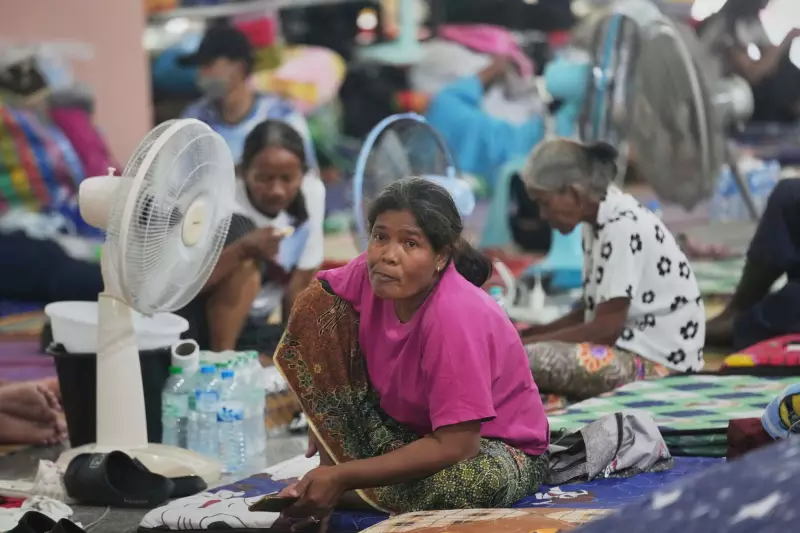
The conflict has had an immediate and severe impact on the civilian population living near the contested frontier. In Thailand's Surin province, residents have been forced to abandon their homes for safety. Photographic evidence from Wednesday, July 30, 2025, shows displaced Thai citizens taking refuge in a local evacuation center, highlighting the human cost of the military confrontation.

Humanitarian Impact and Evacuations
The sight of families resting on mats in communal shelters underscores the rapid deterioration of security in the region. Local provincial authorities are managing the influx of displaced persons, providing essential supplies and temporary lodging. The timing of the clashes and subsequent air strikes has created a humanitarian concern, disrupting communities and creating an atmosphere of fear and uncertainty.
While the immediate trigger for the latest round of fighting remains unclear, the border between Thailand and Cambodia has a long history of sporadic disputes, particularly around temple complexes such as Preah Vihear. These tensions periodically flare into armed exchanges, though the use of air strikes represents a notable intensification in recent years.
Regional Stability and International Response
This military escalation threatens to destabilize a region that generally values diplomatic engagement through associations like ASEAN. The direct confrontation between two member states poses a significant challenge to regional conflict resolution mechanisms. The international community, including major global powers, is likely monitoring the situation closely, concerned about the potential for a wider conflict.
The coming days will be critical. The focus will be on whether communication channels between the Thai and Cambodian governments can be reopened to de-escalate the situation or if the conflict will continue to expand. The priority for humanitarian organizations will be ensuring the safety and well-being of the civilians caught in the crossfire, many of whom now face an uncertain future away from their homes.