Swedish Military Intercepts Suspected Russian Drone Amid French Carrier Presence
Swedish defense forces have intercepted a suspected Russian drone during a period when the French aircraft carrier Charles de Gaulle was operating in the region. This incident underscores the escalating military tensions in Northern European waters, drawing international attention to the strategic maneuvers of global powers.
Details of the Interception and Regional Context
The interception occurred as the Charles de Gaulle, France's flagship naval vessel, was conducting operations in the Baltic Sea area. Swedish authorities detected the unmanned aerial vehicle (UAV) approaching their airspace and swiftly took action to monitor and intercept it. Preliminary assessments suggest the drone originated from Russian military operations, though official confirmation is pending further investigation.
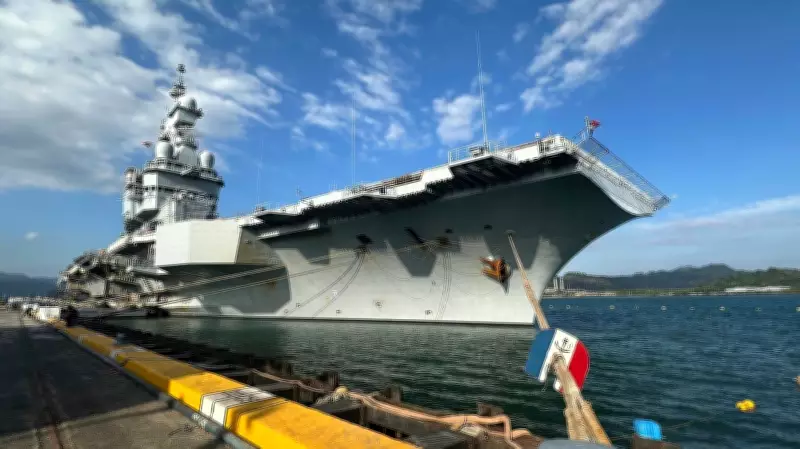
This event is not isolated; it follows a pattern of increased Russian military activity near Scandinavian and Baltic states. In recent years, Sweden has bolstered its defense capabilities in response to such provocations, including enhancing its air surveillance and naval patrols. The presence of the French carrier, which docked at Subic Bay in the Philippines in early 2025, adds a layer of complexity, as it signifies broader NATO and allied interests in maintaining regional stability.

Implications for International Security and Diplomacy
The interception raises significant concerns about airspace violations and the potential for miscalculations that could lead to broader conflicts. Experts warn that such incidents, if left unaddressed, could destabilize the delicate balance in the Arctic and Baltic regions, where multiple nations have competing interests.
From a diplomatic standpoint, this event may prompt renewed discussions within the European Union and NATO regarding collective defense strategies. Sweden, while not a NATO member, has deepened its cooperation with the alliance, and this interception could accelerate efforts to formalize such partnerships. Additionally, it highlights the ongoing challenges in enforcing international norms against unauthorized surveillance and military encroachments.
In the broader context, this incident reflects the persistent geopolitical rivalry between Russia and Western powers. As global tensions simmer, the need for transparent communication and adherence to established protocols becomes ever more critical to prevent escalation.