South Korean Submarine to Conduct Exercises Off British Columbia Amid Procurement Push
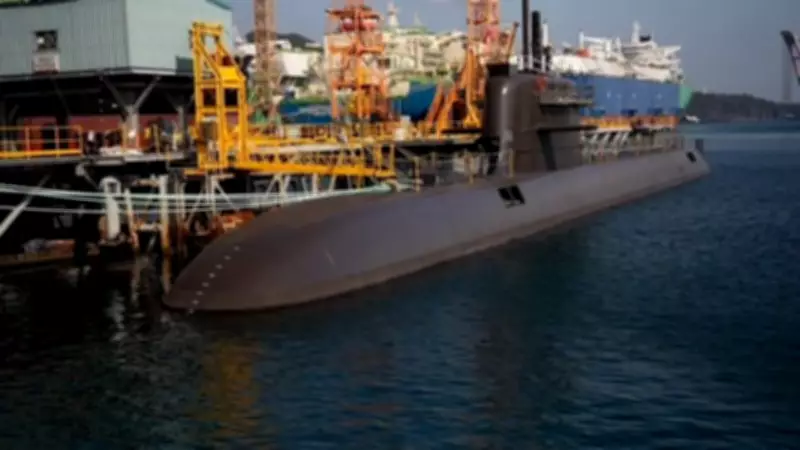
In a significant development for Canada's defense strategy, a South Korean submarine is scheduled to conduct military exercises off the coast of British Columbia. This move comes as South Korea actively promotes its KSS-III submarine model to replace Canada's aging submarine fleet, which has been in service for decades.
Strategic Defense Partnerships
The exercises are part of a broader procurement push by South Korea to showcase the capabilities of its advanced naval technology. The KSS-III model, developed by Hanwha, is being pitched as a modern solution to enhance Canada's maritime defense capabilities. This initiative underscores the growing strategic partnerships between Canada and South Korea in the defense sector.
Experts note that these exercises could play a crucial role in influencing Canada's decision-making process regarding submarine procurement. The aging state of Canada's current fleet has raised concerns about operational readiness and security in the Arctic and Pacific regions.

Implications for Canadian Defense
The timing of these exercises is particularly noteworthy, as Canada faces increasing geopolitical tensions and the need to modernize its military assets. The South Korean proposal offers a potential upgrade that could bolster Canada's naval presence and deterrence capabilities.
According to defense analysts, the KSS-III submarines are equipped with state-of-the-art technology, including advanced sonar systems and missile capabilities, making them a competitive option in the global defense market. The exercises off B.C. will provide Canadian officials with a firsthand look at these features in action.
Broader Context
This procurement effort aligns with Canada's ongoing efforts to strengthen its defense infrastructure amid evolving global threats. The collaboration with South Korea reflects a shift towards international partnerships to address complex security challenges.
As the exercises proceed, stakeholders will be closely monitoring the outcomes and their impact on future defense procurement decisions. The results could set a precedent for how Canada approaches military modernization in the coming years.