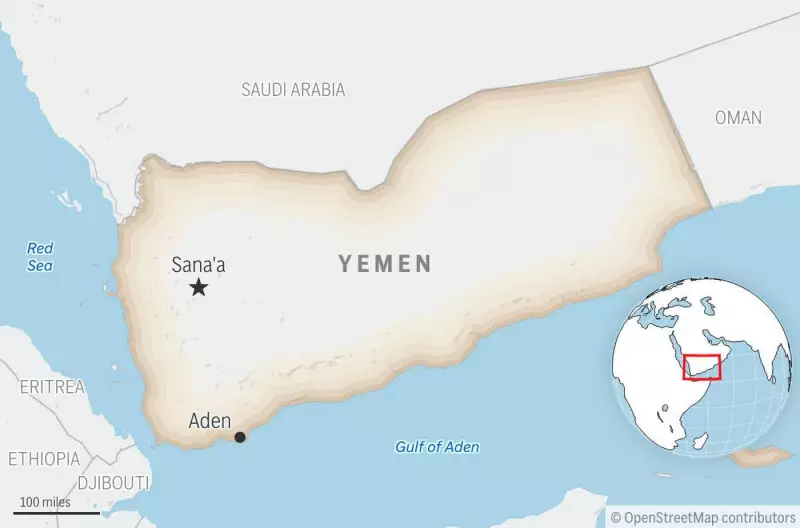
Saudi Arabia has issued a direct call for Yemeni separatist forces to withdraw from two strategic southern governorates, a move that underscores growing tensions within the coalition opposing Houthi rebels. The demand, reported on December 25, 2025, highlights the fragile nature of the alliance that has been central to the long-running conflict.
A Fracturing Alliance
The request from Riyadh specifically targets the Southern Transitional Council (STC), a key separatist group that is nominally an ally of the Saudi-led coalition. Saudi Arabia is urging the STC to pull its forces from Aden and Abyan governorates. Aden serves as the temporary seat of Yemen's internationally recognized government, making control of the city a major point of contention. This public call signals a significant strain in the partnership, as both sides vie for influence in southern Yemen's post-conflict landscape.
Background of the Yemen Conflict
The conflict in Yemen, which has created one of the world's worst humanitarian crises, began in 2014 when Houthi forces seized the capital, Sanaa. A Saudi-led military coalition intervened in 2015 to support the government of President Abd Rabbu Mansour Hadi against the Houthis, who are backed by Iran. The STC, which seeks an independent southern state, joined the coalition but has repeatedly clashed with Hadi's forces, leading to a complex, multi-front war.

The demand for the STC's withdrawal from Aden and Abyan is not an isolated incident. It follows years of intermittent fighting between separatist and government-aligned troops, despite both being part of the broader anti-Houthi bloc. A power-sharing deal brokered by Saudi Arabia in 2019 has largely failed to hold, with the latest development indicating Riyadh's growing impatience with its fractious allies.
Implications for Regional Stability
This public rift complicates efforts to achieve a lasting peace in Yemen. A unified front against the Houthis has been a cornerstone of Saudi strategy. Internal divisions within the coalition could weaken its military and diplomatic position, potentially strengthening the Houthis' hand in any future negotiations. Analysts warn that the Saudi demand could trigger renewed infighting in the south, diverting resources and attention from the primary conflict with the Houthis in the north.
The situation remains fluid, with the STC yet to issue a formal public response to the withdrawal ultimatum. The group's leadership has previously insisted on its right to administer southern regions, setting the stage for a potential standoff with its primary financial and military patron, Saudi Arabia. The coming weeks will be critical in determining whether this dispute can be contained or if it will escalate, further destabilizing Yemen and the surrounding region.