NATO Leader Rutte Confronts Backlash Over Trump Comments
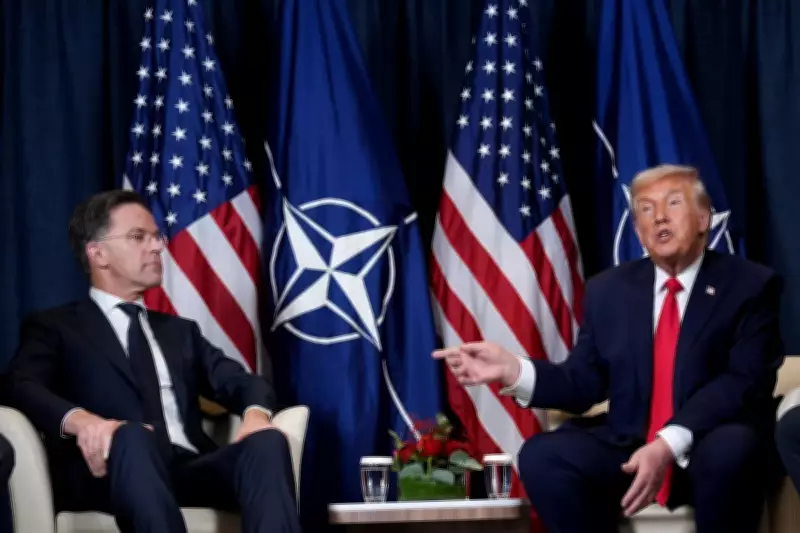
In an exclusive interview with Reuters, NATO Secretary-General Mark Rutte has directly addressed the mounting criticism surrounding his recent public praise of former U.S. President Donald Trump. Rutte emphasized that he is "not deaf" to the concerns raised by allies and observers regarding his diplomatic approach toward the controversial American political figure.
Rutte's Diplomatic Balancing Act
The NATO chief elaborated on his position, stating that his comments were made within the broader context of maintaining transatlantic unity during a period of significant global instability. "One must recognize the complex realities of international diplomacy," Rutte explained, noting that his remarks were intended to foster constructive dialogue rather than endorse specific political ideologies.
Rutte provided additional context to his original statements, clarifying that his approach centers on engaging with all stakeholders in the transatlantic partnership, regardless of political affiliation. He stressed that NATO's fundamental mission remains unchanged: to ensure collective defense and security for all member states through cooperative mechanisms.

Geopolitical Context and Regional Tensions
The interview occurred against a backdrop of heightened international tensions, particularly concerning conflicts in the Middle East and ongoing security challenges in Europe. Rutte acknowledged that NATO faces multiple simultaneous tests, from regional conflicts to evolving security threats that require coordinated responses from member nations.
"The alliance must navigate complex diplomatic waters while maintaining its core principles," Rutte stated, addressing concerns that his comments might signal a shift in NATO's traditional positioning. He reaffirmed the organization's commitment to democratic values and multilateral cooperation as foundational elements of its operational framework.
Broader Implications for Transatlantic Relations
Rutte's comments come at a sensitive juncture for NATO, as member states prepare for upcoming leadership transitions and potential shifts in foreign policy approaches among key allies. The Secretary-General emphasized the importance of maintaining open channels of communication across the political spectrum to ensure NATO's continued relevance and effectiveness.
The interview revealed several key points about NATO's current strategic posture:
- Commitment to engaging with all political leaderships in member states
- Recognition of the need for diplomatic flexibility in turbulent times
- Continued emphasis on collective defense as NATO's primary mission
- Acknowledgment of diverse perspectives within the alliance
Rutte concluded by stressing that his approach reflects a pragmatic understanding of contemporary geopolitical realities rather than any fundamental departure from NATO's established principles. He expressed confidence in the alliance's ability to navigate current challenges through sustained dialogue and cooperation among member states.