Russian Poisonings Aim to Kill and Send a Message
Russian poisonings are designed not only to eliminate political opponents but also to send a chilling message to dissenters, according to security analysts and human rights advocates. This tactic has been employed repeatedly against opposition figures, with the death of Alexei Navalny serving as a stark reminder of the Kremlin's willingness to use lethal force to silence critics.
A Pattern of State-Sponsored Violence
The use of poison as a weapon against political adversaries has become a hallmark of Russian statecraft under Vladimir Putin's regime. Experts point to multiple cases where opposition leaders, journalists, and activists have been targeted with toxic substances, often in operations that bear the hallmarks of state security services.
These attacks serve dual purposes:

- Physically removing individuals perceived as threats to the regime
- Creating an atmosphere of fear that discourages others from challenging authority
The psychological impact extends far beyond the immediate victims, affecting entire opposition movements and civil society organizations that operate under constant threat.
Navalny's Death as a Turning Point
Alexei Navalny's poisoning in 2020 and subsequent death in prison in 2026 represent perhaps the most high-profile example of this strategy. Despite international condemnation and sanctions, Russian authorities have consistently denied involvement in Navalny's poisoning, attributing his death to natural causes.
"Navalny's case demonstrates how poisonings have evolved from covert operations to more brazen attacks," explained Dr. Elena Petrova, a political scientist specializing in Russian affairs. "The message is clear: no one is safe from state retribution, regardless of their international profile."
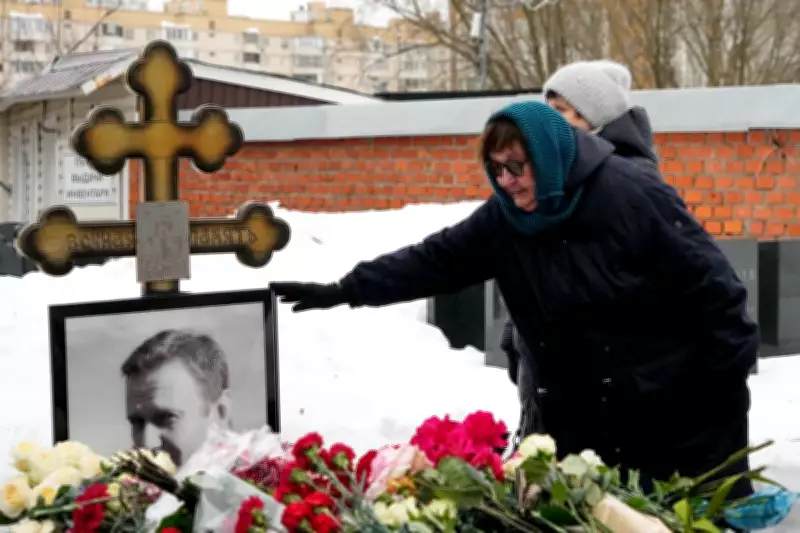
Two years after Navalny's death, his mother Lyudmila Navalnaya visited his grave at Borisovskoye Cemetery in Moscow, a poignant reminder of the human cost of these political poisonings. The continued harassment of Navalny's family and associates further illustrates how these tactics extend beyond immediate victims to punish entire networks of opposition.
International Response and Implications
The international community has struggled to develop effective responses to Russian poisonings. While Western nations have imposed sanctions and expelled diplomats, these measures have done little to deter further attacks. The use of sophisticated nerve agents like Novichok in some cases suggests direct state involvement, yet attribution remains challenging in the face of Russian denials.
Security experts warn that the normalization of political poisonings could inspire similar tactics in other authoritarian states, creating dangerous precedents for how governments deal with domestic opposition. The brazen nature of these attacks, sometimes occurring on foreign soil, represents a significant escalation in state-sponsored violence.
As Russia continues to employ poisonings against perceived enemies, the international community faces difficult questions about how to protect political activists and hold perpetrators accountable in an increasingly dangerous global landscape for dissent.