Major power outages have struck two regions of Ukraine following a wave of Russian drone attacks targeting the country's critical energy infrastructure. The assaults, which occurred amid harsh winter conditions, have left communities without electricity and heat as temperatures plummet.
Infrastructure Under Fire in Freezing Conditions
The attacks, carried out using unmanned aerial vehicles, represent a continued Russian strategy of targeting Ukraine's power grid. The strikes on January 8, 2026 exacerbated an already dire situation for civilians enduring a brutal winter. The blackouts affected multiple settlements, crippling essential services and compounding the humanitarian crisis.
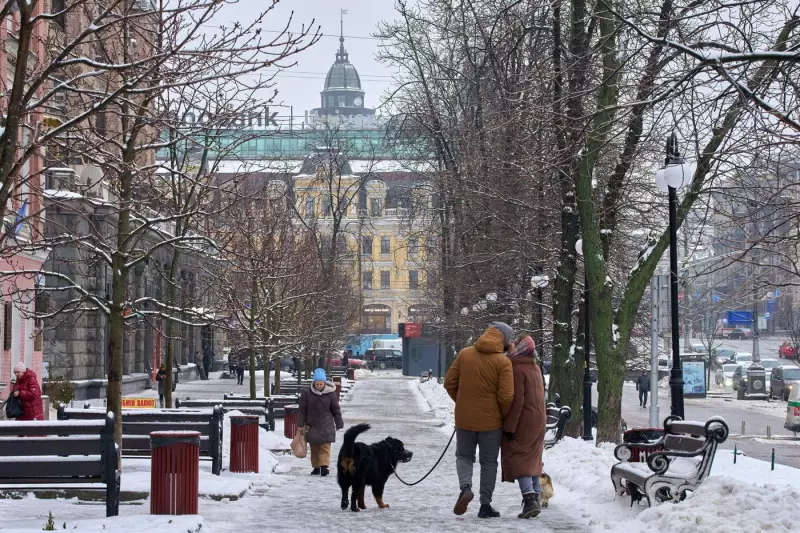
In the capital, Kyiv, residents face the dual challenge of regular missile threats and extreme cold. A poignant image from the city captured a couple sharing a tender moment on a snowy street, a brief glimpse of normalcy against a backdrop of conflict and adversity. The scene, photographed by AP's Efrem Lukatsky, underscores the resilience of Ukrainians living under constant threat to their energy security.

The Human Cost of Targeting Energy Systems
These systematic attacks on power generation and distribution facilities are not new but have intensified during the winter months. The goal appears to be to break civilian morale by depriving populations of heating, lighting, and communication during the coldest time of the year. The latest blackouts serve as a stark reminder of the war's impact far beyond the front lines.
Ukrainian repair crews are routinely forced to work under dangerous conditions to restore downed power lines and damaged substations, often becoming targets themselves. The repeated nature of these strikes makes full recovery a prolonged and challenging process, leaving communities vulnerable to subsequent attacks.
A Sustained Campaign with Broader Implications
This incident is part of a broader, sustained campaign by Russian forces against Ukrainian civilian infrastructure that began earlier in the conflict. Analysts note that such tactics aim to strain Ukraine's economy, disrupt military logistics, and create a humanitarian disaster that pressures the government in Kyiv.
The international community continues to monitor these developments closely, with many nations providing emergency generators and aid to help Ukraine weather the energy crisis. However, the need for robust air defense systems to protect this critical infrastructure remains a top priority for Ukrainian officials pleading for allied support.
As the war continues into another winter, the resilience of Ukraine's energy sector and its people is being tested once more. The blackouts caused by the January 8 drone strikes are a sobering indicator that the conflict's toll on civilian life remains severe, with no quick resolution in sight.