Russia and Ukraine Both Assert Front-Line Progress With U.S.-Brokered Talks Currently Suspended
In the ongoing conflict between Russia and Ukraine, both nations are reporting significant advancements along the front lines, even as diplomatic efforts led by the United States remain in a state of suspension. This development underscores the persistent volatility and military engagements that continue to define the war, now extending into 2026.
Military Claims and Ongoing Hostilities
Recent statements from Russian and Ukrainian officials highlight competing narratives of territorial gains and strategic successes. These assertions come amid a backdrop of sustained combat operations, with neither side showing signs of de-escalation. The claims of progress are often accompanied by reports of casualties and infrastructure damage, reflecting the harsh realities of the conflict.
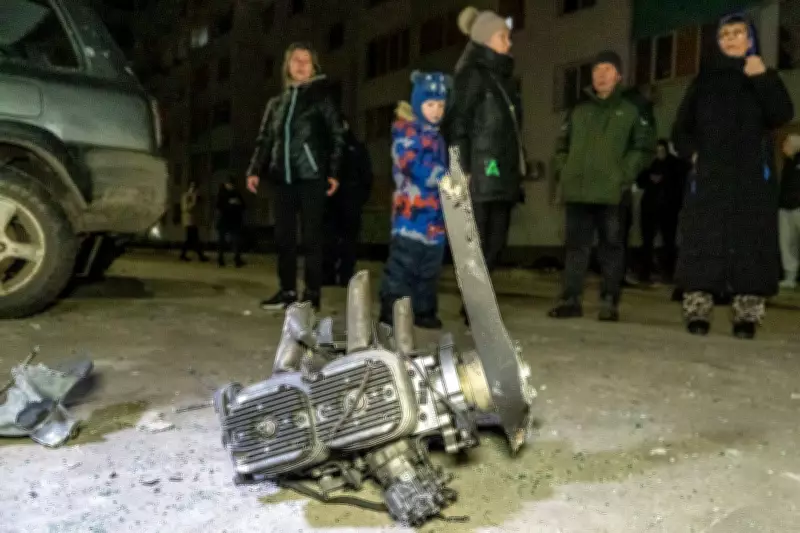
In a stark example of the ongoing violence, the city of Kharkiv experienced a severe air attack late on Monday, March 9, 2026. Residents were seen examining fragments of a Russian drone that struck a residential neighborhood, causing widespread alarm and destruction. This incident serves as a poignant reminder of the war's direct impact on civilian populations, with urban areas frequently bearing the brunt of aerial assaults.

Diplomatic Stalemate and International Involvement
The suspension of U.S.-brokered talks represents a critical juncture in the diplomatic landscape surrounding the war. These negotiations, which had aimed to facilitate a ceasefire or potential peace agreement, are now on hold, leaving a void in international mediation efforts. The pause raises questions about the future trajectory of diplomatic engagements and the role of global powers in resolving the conflict.
Analysts suggest that the hiatus in talks may be linked to the recent military claims, as both sides potentially seek to strengthen their bargaining positions through demonstrated battlefield successes. This dynamic complicates the path to negotiation, as territorial control and military momentum often influence diplomatic leverage.
Broader Implications and Regional Stability
The continued hostilities and stalled diplomacy have far-reaching implications for regional stability and global security. The war has already triggered significant humanitarian crises, economic disruptions, and geopolitical tensions, with effects felt well beyond the immediate conflict zone. The recent events in Kharkiv and the front-line reports underscore the urgent need for renewed diplomatic initiatives to prevent further escalation.
As the situation evolves, international observers are closely monitoring developments, emphasizing the importance of humanitarian aid and support for affected civilians. The resilience of communities in conflict areas, such as Kharkiv, highlights the human cost of the war, even as military and political narratives dominate headlines.
In summary, the Russia-Ukraine war remains a fluid and complex scenario, with both sides claiming front-line progress while U.S.-mediated talks are suspended. The attack in Kharkiv serves as a sobering example of the ongoing violence, underscoring the critical need for sustained diplomatic efforts to achieve a lasting resolution.