Russia has issued a sharp condemnation of a Western-backed plan to deploy European peacekeepers to Ukraine following a potential ceasefire, branding the initiative as "dangerous" and labeling Kyiv and its allies a genuine "axis of war." The statement from Moscow's foreign ministry on Thursday, January 8, 2026, pours cold water on hopes that the security agreement could pave a path to ending the nearly four-year conflict.
Paris Summit Forges Security Pact, Draws Moscow's Ire
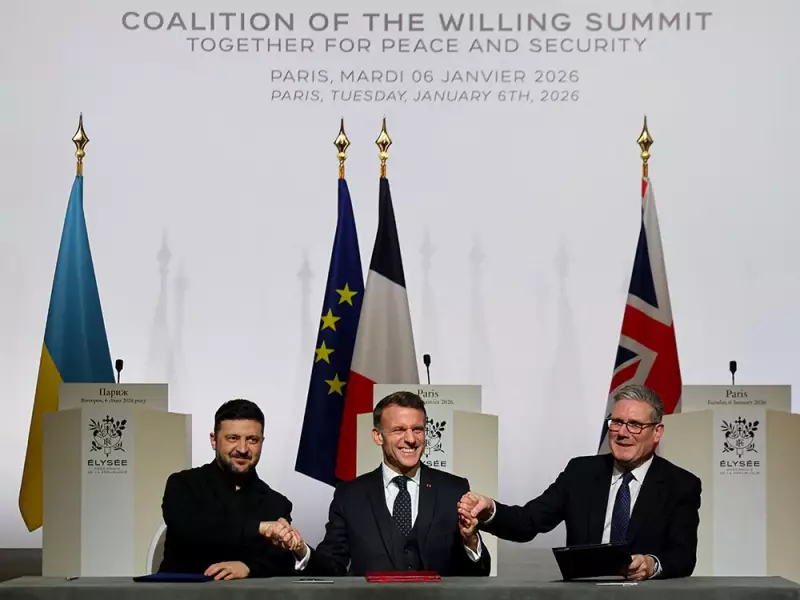
The controversy stems from a summit held earlier this week at the Elysee Palace in Paris. There, leaders including Ukraine's President Volodymyr Zelenskyy, France's President Emmanuel Macron, and Britain's Prime Minister Keir Starmer signed a declaration on deploying a post-ceasefire force. The agreement, forged by what participants call the "Coalition of the Willing," outlines key security guarantees for Kyiv, centering on a multinational European peacekeeping force and a U.S.-led monitoring mechanism to be activated once fighting stops.
However, in its first official response, Moscow rejected the proposals outright. Russian foreign ministry spokeswoman Maria Zakharova stated that the declarations from the coalition and the Kyiv regime "together form a genuine 'axis of war'." She characterized the plans as both "dangerous" and "destructive," asserting they are far from anything the Kremlin could accept to conclude its military assault.

Escalating Rhetoric and Military Threats
The diplomatic rebuke was accompanied by continued violence on the ground. As diplomatic talks unfolded, Russian strikes targeted Ukrainian energy infrastructure, plunging hundreds of thousands into darkness and leaving families without heat in sub-zero temperatures. President Zelenskyy cited these attacks as evidence that Russia remains committed to a path of war.
Zakharova reiterated a standing threat from President Vladimir Putin, warning that any NATO member troops sent to Ukraine as peacekeepers would be considered legitimate military targets for the Russian Armed Forces. "All such units and facilities will be considered legitimate military targets," she declared, underscoring Moscow's firm opposition to any NATO-linked force on Ukrainian soil.
Unresolved Issues and the Quest for Guarantees
Despite the progress on security guarantees, significant hurdles remain. Zelenskyy confirmed that a bilateral security agreement with the United States is "essentially ready for finalization" following envoy talks in Paris. Kyiv views these legally-binding assurances from allies as essential to deter a future Russian attack after any ceasefire.
However, critical details of the guarantees and the European force's mandate remain undisclosed. Furthermore, Zelenskyy has pointed out that the most difficult questions in any peace settlement—namely, territorial control over the eastern Donbas region and the fate of the Russian-occupied Zaporizhzhia nuclear power plant—are still unresolved. The Ukrainian leader has also stated he has not received an "unequivocal" answer on what allies would do if Russia breaches a future deal.
The developments occur against a backdrop of intense shuttle diplomacy by U.S. President Donald Trump, who has been pushing both sides to strike a deal to halt the conflict. An initial 28-point plan, which largely adhered to Moscow's demands, faced criticism from Kyiv and European capitals. The latest European proposal to bolster post-ceasefire protections for Ukraine has now drawn the Kremlin's fiercest condemnation, highlighting the profound gap between the warring parties and their international backers as the conflict approaches its fourth year.