A human rights organization has announced plans to file a formal complaint with the International Olympic Committee (IOC) against FIFA President Gianni Infantino, alleging that his public endorsement of former U.S. President Donald Trump violates the Olympic Charter's principles of political neutrality and human rights.
Background of the Complaint
The group, which has not been named in the initial report, argues that Infantino's support for Trump—who has faced multiple accusations of sexual abuse and defamation, as well as controversial policies during his presidency—contradicts the IOC's commitment to promoting peace and non-discrimination through sport. The complaint is expected to be lodged in the coming days, according to sources familiar with the matter.
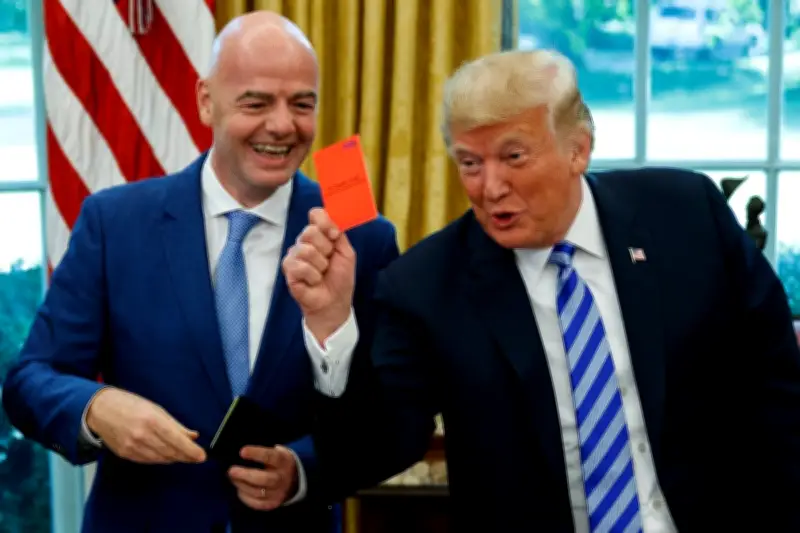
Infantino, who leads world football's governing body FIFA, has been a vocal supporter of Trump in the past. In 2018, Trump held up a red card during a meeting with Infantino at the White House, a gesture that was widely publicized. More recently, Infantino has praised Trump's leadership on global issues, drawing criticism from human rights advocates.

IOC Principles at Stake
The IOC's Olympic Charter explicitly states that the Olympic movement's goal is to place sport at the service of the harmonious development of humankind, with a view to promoting a peaceful society concerned with the preservation of human dignity. The charter also bars any form of political or religious interference during the Games. The complaint alleges that Infantino's actions undermine these principles by aligning FIFA with a political figure whose record on human rights is contentious.
According to the rights group, Infantino's endorsement could set a dangerous precedent for sports organizations, which are expected to remain politically neutral. The group is urging the IOC to investigate and take appropriate action, which could include sanctions or a formal reprimand against Infantino.
Reactions and Implications
Neither the IOC nor Infantino has commented publicly on the planned complaint. However, legal experts suggest that the case could test the boundaries of political expression by sports officials. The IOC has previously taken a strong stance against political statements during the Olympics, but its authority over leaders of international federations like FIFA is less clear.
This development comes amid broader debates about the role of sports in politics, particularly as the 2026 World Cup approaches. FIFA has faced scrutiny over its ties to various governments and leaders. The complaint could reignite discussions about the ethical responsibilities of sports organizations and their leaders.
The rights group has vowed to pursue the matter through all available channels, including potentially taking the case to the Court of Arbitration for Sport if the IOC does not act. The outcome of this complaint could have significant implications for the governance of international sports bodies.