Regional Fallout: How the Expanding Iran Conflict Reshapes the Middle East and Global Dynamics
As the war in Iran enters its fifth day, the geopolitical landscape of the Middle East is undergoing rapid and profound transformations. The conflict, which has escalated into a broader regional crisis, is sending shockwaves far beyond its immediate borders, affecting everything from global financial markets to international alliances and domestic policies in neighboring countries.
Security Alerts and Military Responses
NATO forces have been actively engaged in defensive operations, with a notable incident where an Iranian missile headed towards Türkiye was intercepted. This action underscores the alliance's heightened state of alert and its commitment to protecting member states from direct threats. Meanwhile, the United States continues its military campaign, with officials like Leavitt publicly supporting 'Operation Epic Fury,' emphasizing its strategic importance for American security interests.
Diplomatic Strains and Alliance Pressures
The conflict is testing international relationships, particularly within NATO. Retired Major-General Fraser warns that the U.S.-Iran confrontation could trigger 'a real political discussion inside NATO,' highlighting potential divisions over involvement and strategy. Canada, for instance, faces intense scrutiny over its ability to avoid direct engagement, balancing its alliance obligations with domestic political pressures.

Allen notes that the U.S.-Israel partnership remains strong, but cautions that 'the relationship will hold as long as they’re winning,' pointing to the fragile nature of such alliances in times of war. This dynamic is further complicated by Iran's player Sara Didar's emotional response to war-related questions at the Women's Asian Cup, illustrating how the conflict permeates even cultural and sporting events.
Economic Turbulence and Market Reactions
Financial markets have experienced significant volatility as the war persists, with investors reacting nervously to the uncertainty. This economic instability is compounded by broader global trends, such as Nvidia's CEO hinting at reduced investments in AI firms like OpenAI and Anthropic, which may indirectly relate to shifting priorities amid geopolitical tensions.
Regional and Global Ripple Effects
Beyond the Middle East, Northern European nations have agreed to draft joint evacuation plans in case of a crisis or military conflict, reflecting widespread concern over the war's potential to spill over. In Canada, efforts to secure limited seats on commercial flights from Lebanon highlight the logistical challenges faced by citizens caught in the widening conflict zone.
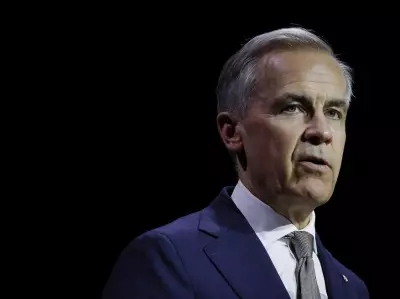
Prime Minister Carney's candid remarks during a stop in Sydney, including dropping an f-word while discussing world leaders, underscore the high-stakes diplomacy required to navigate this complex situation. His emphasis on Canada's role as a 'middle power' suggests a strategic pivot to influence global agendas amid the turmoil.
Broader Implications for Policy and Society
The conflict is also influencing domestic issues, from cybersecurity warnings by intelligence agencies to public health concerns, as seen with campaigns against Big Tobacco's targeting of kids via F1 sponsorships. These diverse impacts demonstrate how a regional war can have far-reaching consequences, affecting everything from entertainment, with Marseille mayor opposing Kanye West's gig over 'unabashed Nazism,' to lifestyle trends, such as the Vatican's warnings against cosmetic surgery's 'cult of the body.'
As the situation evolves, nations worldwide are forced to reassess their security postures, economic strategies, and diplomatic ties. The unfolding war in Iran is not just a Middle Eastern crisis but a global inflection point, with its outcomes likely to shape international relations for years to come.