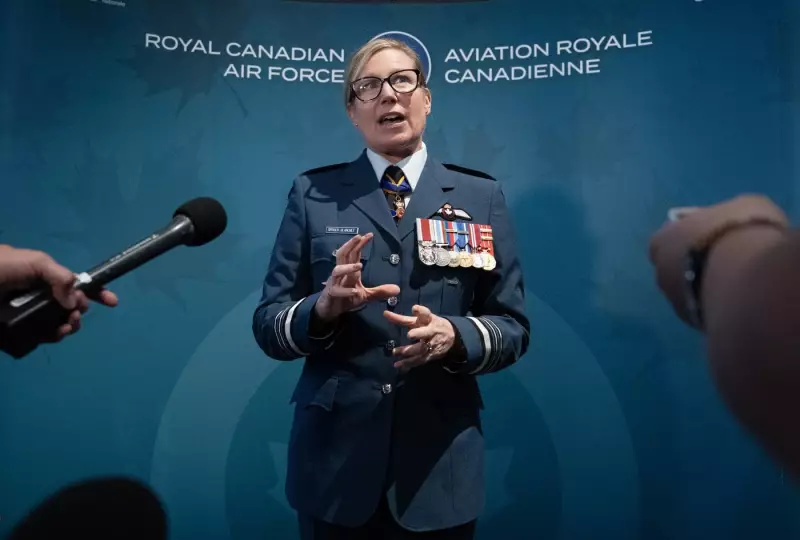
The Royal Canadian Air Force (RCAF) is making headway in its ongoing battle to address significant personnel shortages, according to its commander. Lt.-Gen. Jamie Speiser-Blanchet has reported measurable progress in efforts to fill recruitment and retention gaps that have challenged the force.
Addressing a Critical Personnel Challenge
For years, the Canadian Armed Forces, including the RCAF, have faced a well-documented struggle to attract and retain enough skilled personnel. This shortfall impacts operational readiness and the ability to fulfill domestic and international commitments. Lt.-Gen. Speiser-Blanchet's update, provided in early January 2026, indicates that targeted initiatives are beginning to yield results.
The commander highlighted that while challenges persist, the trends are moving in a positive direction. The RCAF has been implementing a multi-faceted strategy to tackle this issue, which includes streamlining the application process, enhancing outreach programs, and improving career development and quality-of-life for serving members.

Strategic Initiatives Showing Promise
The progress cited by the RCAF commander is not accidental. It follows a period of intense focus on reforming recruitment systems that were often criticized as being too slow and bureaucratic. New marketing campaigns aimed at a wider demographic, including efforts to attract more women and diverse candidates, are part of the renewed push.
On the retention front, the Air Force is working to address key reasons why personnel leave, such as frequent postings, family stress, and competition with the private sector. Initiatives to provide more stability, better benefits, and clearer career advancement paths are central to this effort. The goal is to not only bring new recruits in the door but also to create an environment where experienced members choose to build a long-term career.
The Road Ahead for the Air Force
While the news is encouraging, Lt.-Gen. Speiser-Blanchet acknowledged that the work is far from over. The RCAF, like the broader Canadian military, operates in a competitive national labour market and must continually adapt its value proposition. Technological advancements in aerospace also mean the force requires a steady influx of highly trained technicians, pilots, and cyber specialists.
The commander's positive assessment, delivered in the first week of 2026, sets a hopeful tone for the year. It suggests that the sustained investment of resources and attention into the people who serve in the RCAF is starting to close the gap. Continued progress will be vital for ensuring the Air Force can meet its demanding mission to defend Canadian sovereignty and contribute to global security.