Pentagon Chief Halts Officer Attendance at Ivy League Programs
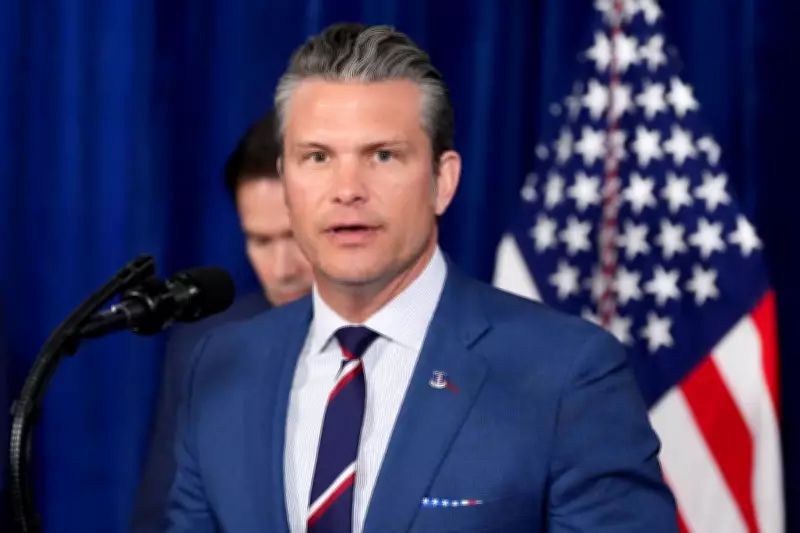
In a significant policy shift, Defense Secretary Pete Hegseth has declared that U.S. military officers will cease attending educational programs at Ivy League universities. This decision marks a notable departure from long-standing defense education practices and reflects evolving priorities within the Pentagon's leadership development framework.
Background and Rationale
The announcement, made by Secretary Hegseth, underscores a strategic reevaluation of how the Department of Defense invests in officer education. Historically, Ivy League institutions such as Harvard, Yale, and Princeton have hosted programs for military personnel, offering advanced degrees and specialized training in fields like international relations, public policy, and management.
According to Hegseth, this change is driven by a need to align military education more closely with practical defense requirements and operational readiness. He emphasized that while academic partnerships have value, the focus must shift toward programs that directly enhance combat effectiveness and technological proficiency.

Implications for Military Training
This policy adjustment is expected to redirect resources toward alternative educational avenues, including military academies, war colleges, and partnerships with technical and engineering schools. Proponents argue that this will foster a more targeted skill set among officers, better preparing them for modern warfare challenges such as cybersecurity, artificial intelligence, and asymmetric threats.
Critics, however, caution that reducing ties with elite universities could limit exposure to diverse perspectives and interdisciplinary thinking, potentially impacting strategic decision-making and diplomatic engagements. The move has sparked debate within defense circles about the balance between traditional academic rigor and specialized military training.
Broader Context and Reactions
Secretary Hegseth's announcement comes amid broader discussions about defense spending and efficiency. By curtailing Ivy League attendance, the Pentagon aims to optimize its education budget, which has faced scrutiny in recent years. This decision aligns with Hegseth's previous statements advocating for a more streamlined and mission-oriented defense apparatus.
Initial reactions from military analysts suggest mixed opinions. Some view it as a pragmatic step to cut costs and refocus on core competencies, while others express concern over potential isolation from civilian academic expertise. The long-term effects on officer career progression and interagency collaboration remain to be seen.
Looking Ahead
As the policy takes effect, the Department of Defense will likely develop new guidelines for officer education, emphasizing partnerships with institutions that offer specialized defense-related curricula. This shift may also influence how other branches of the U.S. government approach professional development programs, setting a precedent for prioritizing practical skills over prestige.
In summary, Defense Secretary Pete Hegseth's decision to halt officer attendance at Ivy League programs represents a pivotal moment in U.S. military education policy. It reflects a deliberate effort to tailor training to contemporary defense needs, though its success will depend on implementation and adaptation to evolving global security landscapes.