Pentagon Excludes Own Military Publication from Press Briefing Over Space Issues
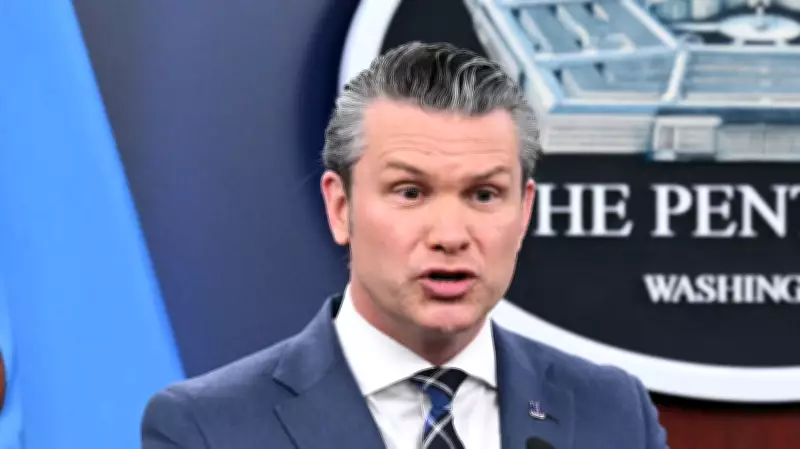
The Pentagon prevented its official military news outlet, Stars and Stripes, from attending Defense Secretary Pete Hegseth's press conference on Thursday, stating that there was insufficient room for all media representatives. This move has sparked concerns about press freedom and editorial independence within the military's own journalism ranks.
Journalist Denied Access Despite Pentagon's Recent Memo
Stars and Stripes Pentagon reporter Matthew Adams informed his followers on X that the publication was not approved to attend the event. Adams highlighted the irony, noting that earlier this month, the Pentagon issued an eight-page memo outlining plans to modernize the newspaper, including a content overhaul. He expressed frustration, stating he would watch the conference remotely instead.
Former Stars and Stripes reporter Kevin Baron criticized the Pentagon's decision, accusing it of blackballing its own newspaper from covering its press conference. Baron emphasized that Stars and Stripes employees are U.S. Army civilians, and their editorial independence is protected by Congress to prevent political leaders from disseminating propaganda to troops.

Pentagon's Response and Space Limitations
A Pentagon spokesperson explained to HuffPost that while Stars and Stripes remains welcome at press briefings, not all requests could be accommodated due to space constraints. The spokesperson cited only 60 available seats for journalists, with one representative per outlet. Stars and Stripes was among 11 outlets that could not be seated.
Concerns Over Editorial Independence and New Rules
The Pentagon's recent changes to Stars and Stripes, mentioned by Adams, purportedly allow the newspaper to operate with editorial independence. However, they also require that content must be consistent with good order and discipline. This phrasing has raised alarms among staff.
Stars and Stripes editor-in-chief Erik Slavin voiced concerns to NPR, questioning the implications for reporters who are members of the U.S. military and could face court-martial for publishing content deemed inconsistent. Slavin asked, If they were to complete a story that the Defense Department did not like, and did not find 'consistent with good order and discipline,' would they be in legal jeopardy? We don't know the answer to that.
This incident underscores ongoing tensions between military leadership and independent journalism within the armed forces, highlighting potential challenges to press freedom under new regulatory frameworks.