The Pakistani Taliban, formally known as Tehrik-e-Taliban Pakistan (TTP), has announced a three-day ceasefire to coincide with the upcoming Eid al-Fitr holiday. This declaration follows a temporary pause in hostilities between the governments of Pakistan and Afghanistan, signaling a potential de-escalation in regional conflicts during the festive period.
Background of the Ceasefire Announcement
The ceasefire was publicly declared by TTP spokespersons on March 19, 2026, citing religious and humanitarian reasons for the temporary truce. Eid al-Fitr, which marks the end of Ramadan, is a significant Islamic holiday celebrated by millions across South Asia. The TTP stated that the ceasefire aims to allow civilians to observe the holiday without fear of violence, though it emphasized that this is a short-term measure and does not indicate a permanent resolution to ongoing conflicts.
Regional Context and Preceding Events
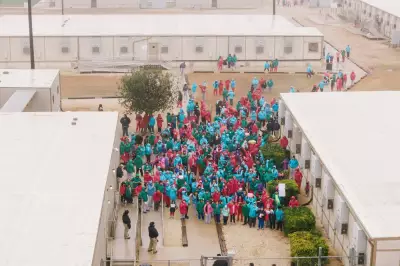
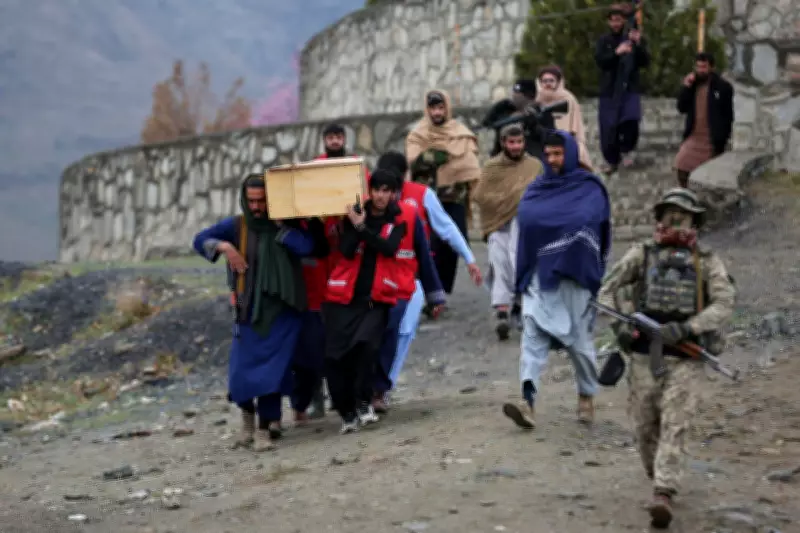
This announcement comes in the wake of a brief cessation of fighting between Pakistani and Afghan forces along their shared border. Tensions have been high in recent months, with sporadic clashes and airstrikes reported in border regions. Notably, a recent airstrike on a drug rehabilitation hospital in Afghanistan, which occurred on Monday, March 16, 2026, resulted in multiple casualties, highlighting the severe humanitarian impact of the conflict. The TTP has been involved in insurgent activities in Pakistan for years, often operating from sanctuaries in Afghanistan, complicating bilateral relations.

Implications for Security and Diplomacy
Analysts suggest that the ceasefire could provide a window for diplomatic engagement, though both sides remain deeply distrustful. The Pakistani government has not officially responded to the TTP's announcement, but sources indicate that security forces will maintain a heightened alert during the period. Meanwhile, Afghanistan's interim Taliban government, which has historical ties to the TTP, has called for broader peace initiatives, though its influence over the Pakistani faction is limited.
Key points to note:
- The ceasefire is set to last for exactly three days, covering the core celebrations of Eid al-Fitr.
- It applies primarily to TTP operations in Pakistan, though spillover effects in Afghanistan are possible.
- Humanitarian organizations hope the pause will allow aid delivery to conflict-affected areas.
Challenges and Future Outlook
Despite the temporary truce, underlying issues such as territorial disputes, ideological differences, and external influences continue to fuel instability. The TTP has a history of using ceasefires to regroup, raising concerns about long-term security. Additionally, the involvement of other militant groups in the region could undermine peace efforts. Observers warn that without sustained dialogue and confidence-building measures, violence is likely to resume post-Eid.
In summary, the Pakistani Taliban's ceasefire announcement represents a cautious step toward reducing hostilities during Eid, but it remains a fragile development in a complex geopolitical landscape. The coming days will be critical in assessing whether this pause can foster broader peace talks or merely serve as a brief interlude in an enduring conflict.