A deadly Russian missile strike hit the Ukrainian port city of Odesa on Saturday, December 20, 2025, killing at least eight people. The attack occurred on the same day that a senior Kremlin envoy was hosted by the United States for discussions on a potential peace plan, creating a stark juxtaposition of violence and diplomacy.
Attack Details and Immediate Aftermath
The assault targeted a residential area in Odesa, causing significant destruction. Local emergency services rushed to the scene to search for survivors and assess the damage. This incident is part of a continued pattern of aerial attacks on Ukrainian cities, which have intensified as the war approaches another grim milestone.
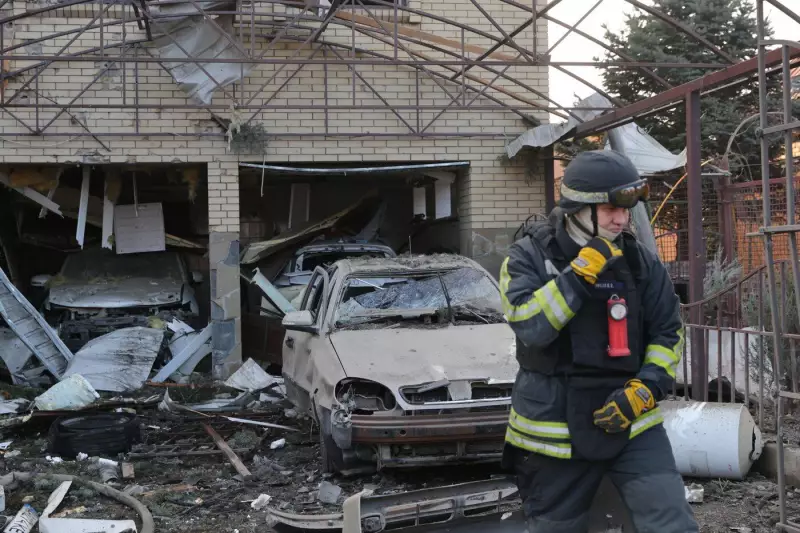
The strike on December 20 follows another major attack the previous day, Friday, December 19, in the city of Zaporizhzhia. Associated Press photographs from that attack show a rescue worker surveying the damage to a residential house, highlighting the relentless nature of the conflict and its toll on civilian infrastructure.

Diplomatic Moves Amidst Escalation
Concurrently, in a separate development, U.S. officials were engaged in talks with a representative from the Russian government. The envoy's visit was centered on exploring avenues for a negotiated settlement to the war, which has dragged on for years with devastating human and economic costs.
The timing of the Odesa strike casts a long shadow over these diplomatic efforts. It underscores the significant challenges facing any peace initiative, as military actions on the ground continue to escalate tensions and cause loss of life. The parallel events of high-level talks and lethal strikes present a complex picture of the current state of the Russia-Ukraine conflict.
Broader Context and Regional Impact
The war continues to have far-reaching consequences beyond the immediate battlefield. Global energy markets, food security, and international political alliances have all been profoundly affected. For nations like Canada, which has been a staunch supporter of Ukraine, providing military aid and humanitarian assistance, these developments are closely monitored.
Canadian officials have consistently condemned Russian aggression and called for adherence to international law. The news of civilian casualties in Odesa is likely to reinforce calls within Canada and among its allies for continued support for Ukraine and sustained pressure on the Russian government.
The situation remains fluid, with diplomatic channels operating alongside ongoing hostilities. The world watches to see if the talks hosted by the U.S. can gain traction or if the devastating cycle of attack and retaliation, exemplified by the events in Odesa and Zaporizhzhia, will persist.