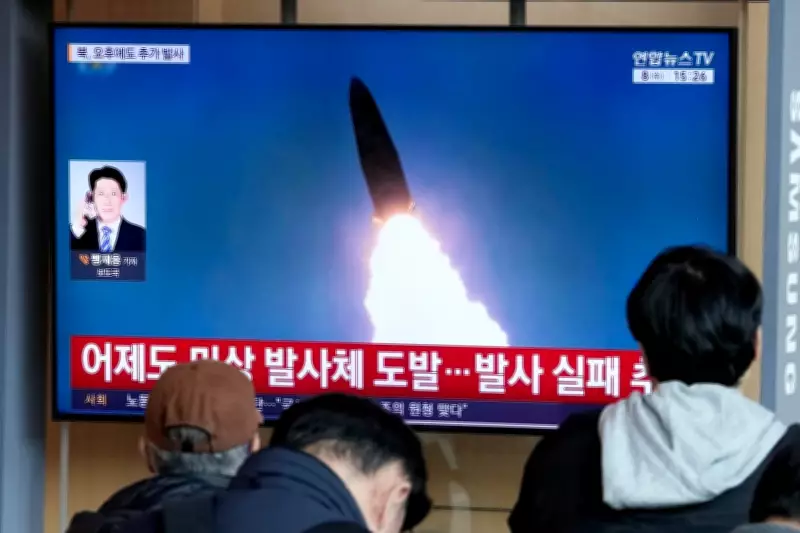
North Korea Announces Missile Tests with Cluster-Bomb Warheads
North Korea has declared that its latest series of missile tests included weapons armed with cluster-bomb warheads, according to state media reports released on April 8, 2026. This announcement marks a significant escalation in the country's military demonstrations, highlighting ongoing tensions in the Korean Peninsula and raising concerns among international observers about regional stability.
Details of the Missile Tests
The tests, conducted recently, involved missiles equipped with warheads designed to disperse cluster munitions over wide areas. State media provided limited specifics but emphasized the capability as part of North Korea's defensive posture. Analysts note that cluster bombs can cause extensive damage by releasing numerous smaller explosives, posing heightened risks to civilian populations and infrastructure in conflict scenarios.
Timing and Context: The revelation comes amid heightened geopolitical friction, with North Korea frequently conducting missile launches as a show of force. The April 8 report aligns with a pattern of military assertiveness, though the inclusion of cluster-bomb technology suggests a potential shift toward more destructive armaments. This development follows previous tests of various missile types, including short-range and intercontinental ballistic missiles.

International Reactions and Implications
Global security experts have expressed alarm over the tests, citing the humanitarian concerns associated with cluster munitions. Many countries have banned such weapons due to their indiscriminate nature and long-term danger from unexploded ordnance. The United Nations and neighboring nations, including South Korea and Japan, are likely to monitor the situation closely, with possible calls for diplomatic interventions or sanctions.
Regional Stability: The tests could further strain relations in Northeast Asia, where North Korea's military activities often provoke responses from allies like the United States. This announcement may influence defense strategies and arms control discussions, as it underscores the evolving threat landscape. Observers warn that continued provocations could lead to escalated military posturing or conflicts, impacting global security dynamics.
Historical and Strategic Background
North Korea has a long history of missile development, viewing it as a deterrent against perceived external threats. The integration of cluster-bomb warheads represents a tactical advancement, potentially enhancing the country's offensive capabilities. This move might be aimed at strengthening bargaining power in future negotiations or asserting sovereignty amid international pressure.
Future Outlook: As tensions persist, the international community faces challenges in addressing North Korea's military ambitions. The latest tests highlight the need for ongoing dialogue and monitoring to prevent escalation. Experts suggest that coordinated efforts, such as arms control talks or humanitarian agreements, could mitigate risks, but progress remains uncertain given the complex political environment.