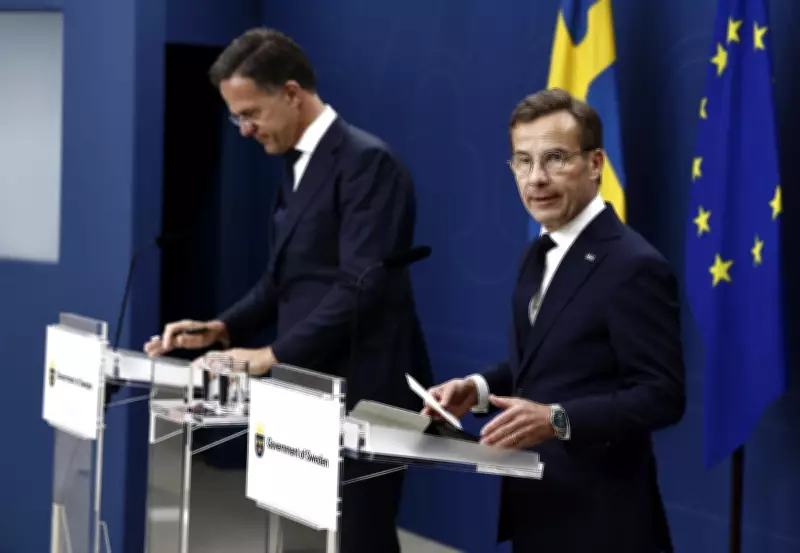
In a significant move to bolster regional preparedness, Northern European nations have agreed to develop joint evacuation plans to address potential crises or military conflicts. This initiative underscores growing concerns over geopolitical instability and the need for coordinated responses among allied countries.
Strengthening Regional Security Frameworks
The decision to create unified evacuation strategies marks a proactive step by Nordic governments to enhance collective security measures. By pooling resources and expertise, these nations aim to streamline evacuation processes, ensuring swift and efficient actions during emergencies. This collaboration reflects a deepening commitment to mutual defense and crisis management in an increasingly volatile global landscape.
Key Objectives and Implementation
The joint plans will focus on several critical areas, including logistics coordination, communication protocols, and resource allocation. Authorities emphasize that such preparations are essential not only for military scenarios but also for natural disasters or other large-scale emergencies that could necessitate mass evacuations. Regular drills and simulations are expected to be part of the implementation phase to test and refine these strategies.

Experts highlight that this initiative could serve as a model for other regions, demonstrating how cross-border cooperation can improve resilience against unforeseen threats. The involvement of multiple stakeholders, from government agencies to local communities, is crucial for ensuring the plans are comprehensive and actionable.
Broader Implications for European Defense
This development comes amid heightened tensions in Europe, with ongoing conflicts and security challenges prompting nations to reassess their defense postures. The evacuation plans are seen as a complementary effort to existing military alliances, such as NATO, reinforcing the importance of civilian protection in conflict zones. Analysts note that such measures could deter aggression by showcasing a unified front and readiness to respond to crises.
As these plans take shape, they are likely to influence broader European security policies, encouraging similar collaborations across the continent. The focus on evacuation readiness also aligns with global trends toward enhancing disaster response capabilities, highlighting the interconnected nature of modern security threats.