New START Treaty Expiration Leaves U.S. and Russia Without Nuclear Caps
The Kremlin expressed regret on Thursday as the New START treaty, the last remaining nuclear arms control pact between Russia and the United States, officially expired. This development leaves the world's two largest nuclear arsenals without any caps for the first time in over half a century, a situation that arms control experts warn could trigger an unconstrained nuclear arms race.
Background and Details of the Expired Pact
Signed in 2010 by then-President Barack Obama and Russian counterpart Dmitry Medvedev, the New START treaty restricted each side to no more than 1,550 deployed nuclear warheads on a maximum of 700 missiles and bombers. Originally set to expire in 2021, it was extended for five more years. The agreement included comprehensive on-site inspections to verify compliance, although these halted in 2020 due to the COVID-19 pandemic and never resumed.
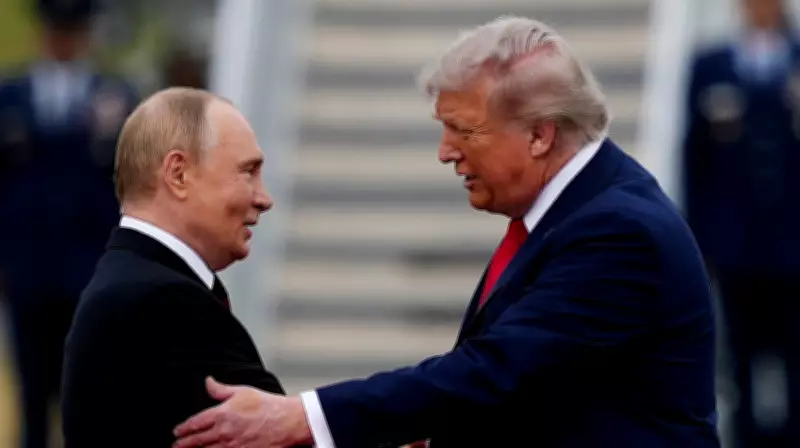
In February 2023, Russian President Vladimir Putin suspended Moscow's participation in the treaty, citing concerns over U.S. inspections amid tensions over Ukraine. However, Russia pledged to continue respecting the pact's nuclear caps. Putin later offered in September to abide by the limits for an additional year if Washington did the same, but the U.S. under President Donald Trump has been noncommittal about extension.

International Reactions and Diplomatic Stances
Kremlin spokesman Dmitry Peskov stated that Moscow views the treaty's expiration "negatively" and regrets it, emphasizing that Russia will maintain a "responsible, thorough approach to stability when it comes to nuclear weapons." He added that Russia remains open to dialogue if constructive responses are received.
The Russian Foreign Ministry noted that with the treaty's end, Moscow "remains ready to take decisive military-technical measures to counter potential additional threats to the national security," while also expressing openness to political-diplomatic solutions based on equal dialogue.
In a significant development, U.S. Secretary of State Marco Rubio highlighted Trump's position that any true arms control in the 21st century must include China due to its "vast and rapidly growing stockpile." This stance has been a sticking point, as Beijing has consistently rebuffed involvement in such pacts.
China's Position and Global Implications
Chinese Foreign Ministry spokesperson Lin Jian stated that China regrets the expiration of New START and calls on the U.S. to resume nuclear dialogue with Russia. However, he reiterated that China will not participate in nuclear disarmament negotiations at this stage, arguing that its nuclear forces are not comparable to those of the U.S. and Russia.
Peskov reaffirmed Moscow's respect for Beijing's position, with Russian officials also arguing that any broader nuclear pact should involve NATO members France and the U.K., not just China.
Expert Warnings and Future Concerns
Arms control advocates have expressed deep concern over the treaty's expiration. Daryl Kimball, executive director of the Arms Control Association in Washington, warned that if the Trump administration continues to avoid nuclear arms control diplomacy with Russia and decides to increase U.S. nuclear weapons, it could lead Russia to follow suit and encourage China to accelerate its strategic buildup.
"Such a scenario could lead to a years-long, dangerous three-way nuclear arms buildup," Kimball cautioned, highlighting the potential for a destabilizing nuclear proliferation cycle.
Recent Diplomatic Developments
Despite the expiration of New START, the U.S. and Russia agreed on Thursday to reestablish high-level, military-to-military dialogue following a meeting in Abu Dhabi. This link had been suspended in 2021 as relations between Moscow and Washington deteriorated prior to Russia's invasion of Ukraine in February 2022.
The expiration of New START marks the end of a long series of nuclear arms control agreements between the U.S. and Russia, beginning with SALT I in 1972. As the world navigates this new nuclear landscape, the absence of formal caps raises urgent questions about global security and the future of international arms control efforts.